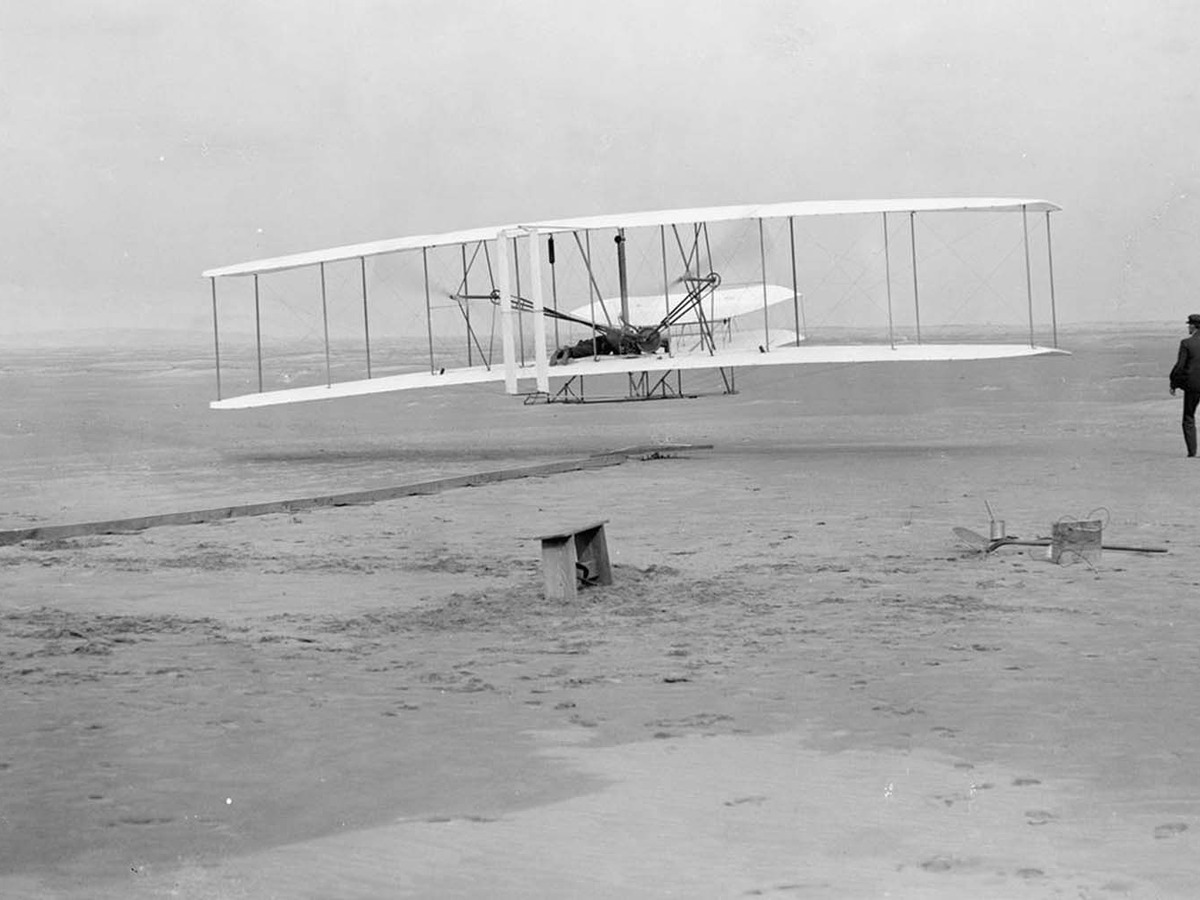
Wright Flyer
Twelve seconds in the air. Everything after this is a consequence.
- First flight
- 1903
- Ceiling
- 30 m
- Top speed
- 48 km/h
- On board
- 1
Scroll through a century of flight, one machine and one life at a time. Dates, figures, faces. Start anywhere.
Twelve seconds in the air. Everything after this is a consequence.
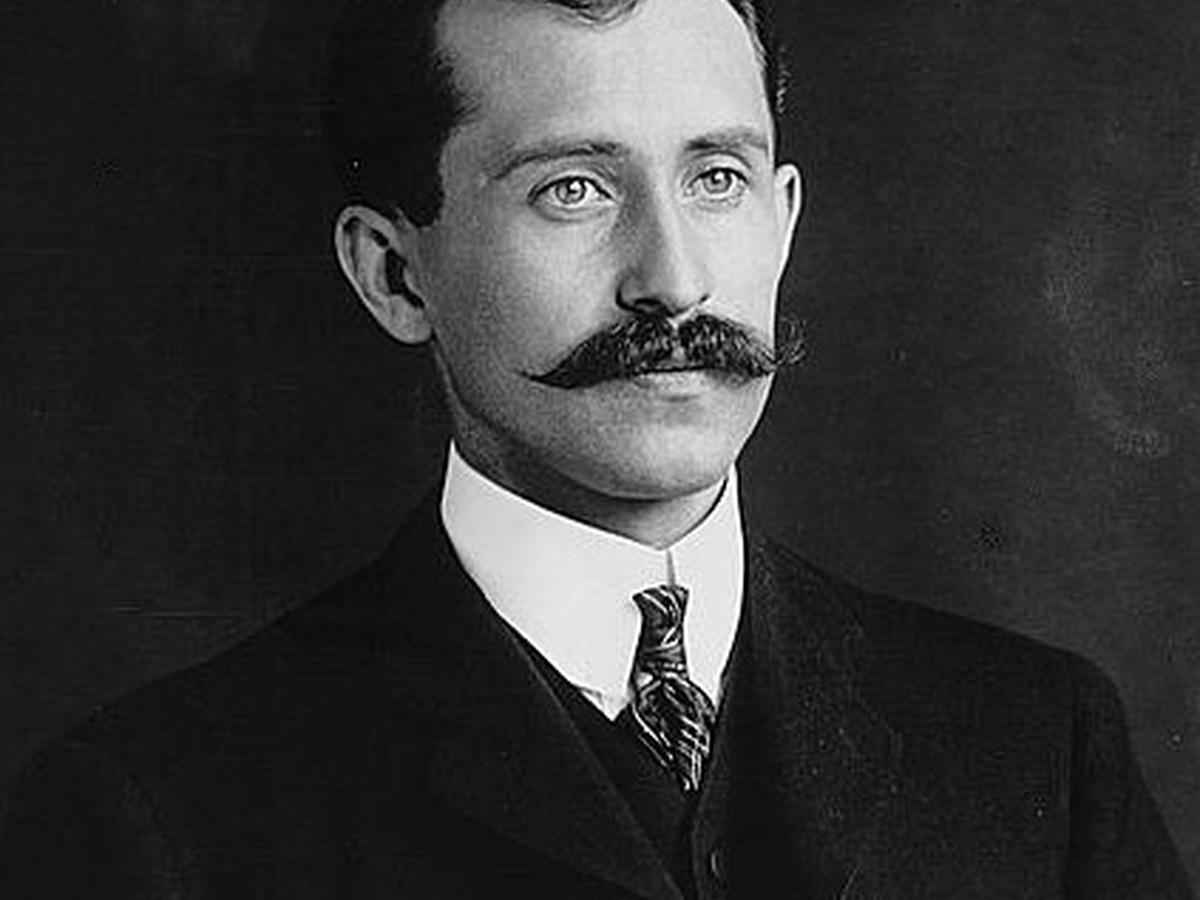
Two bicycle makers who understood before anyone else that the hard part was not lifting off — it was steering.
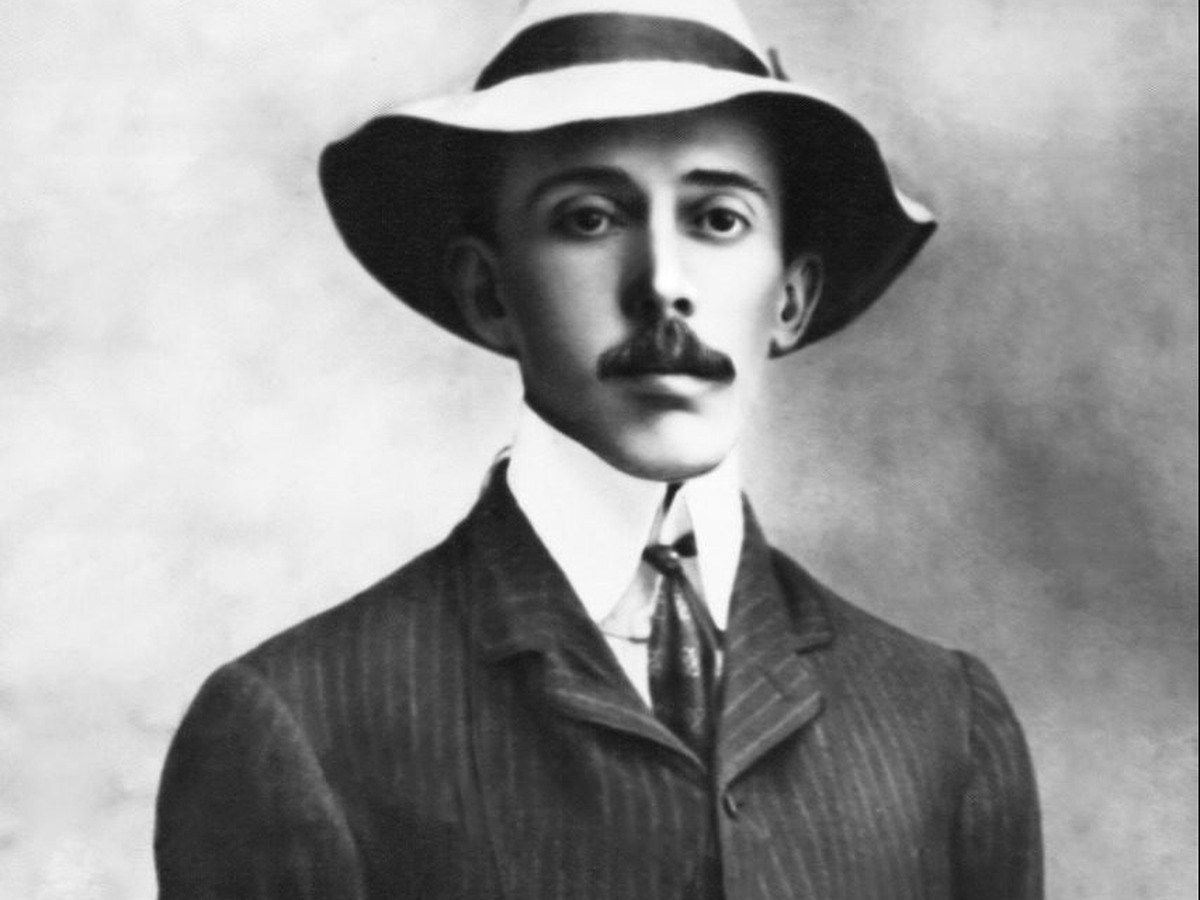
He flew over Paris in an airship, tied it up outside a café, and refused to patent anything he invented.
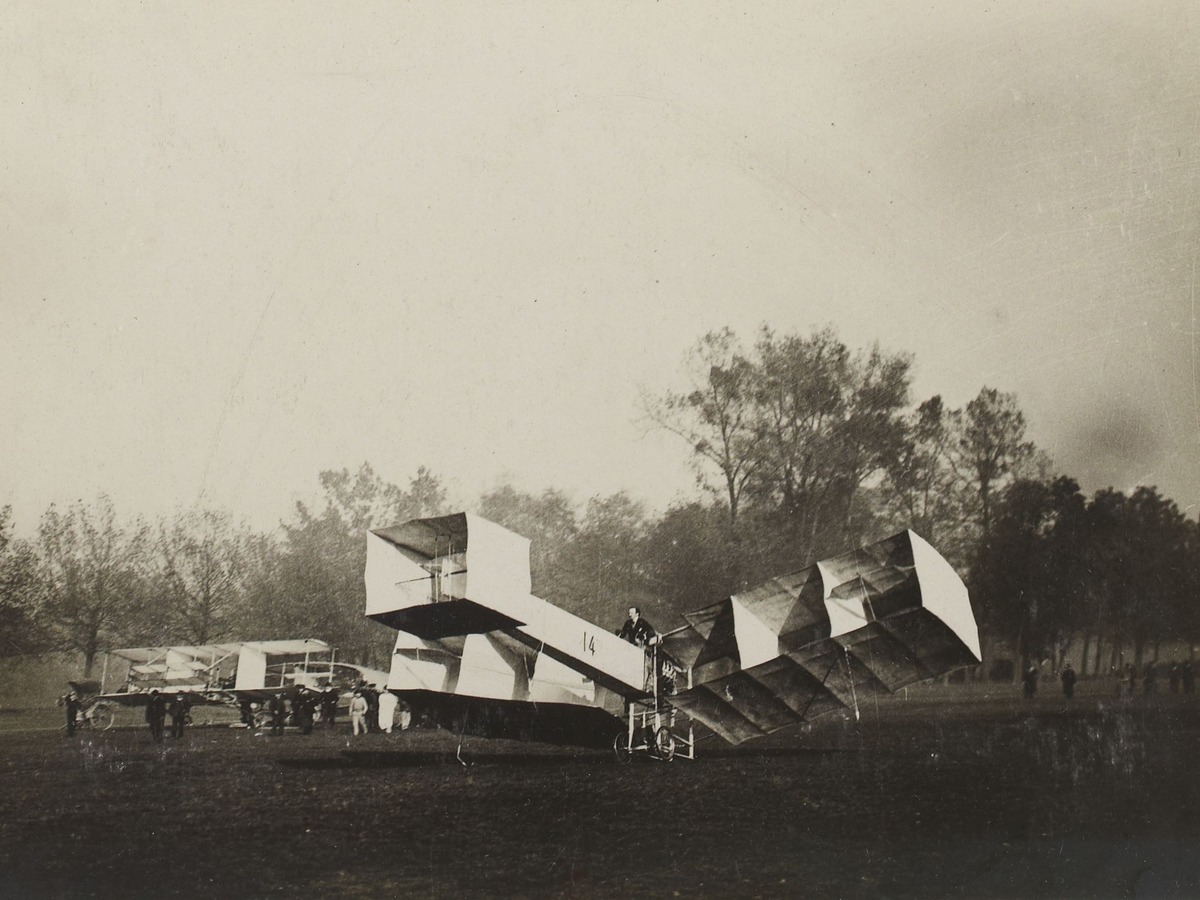
It flew backwards, tail first, in front of a Paris crowd — the first flight in Europe anyone was allowed to watch.
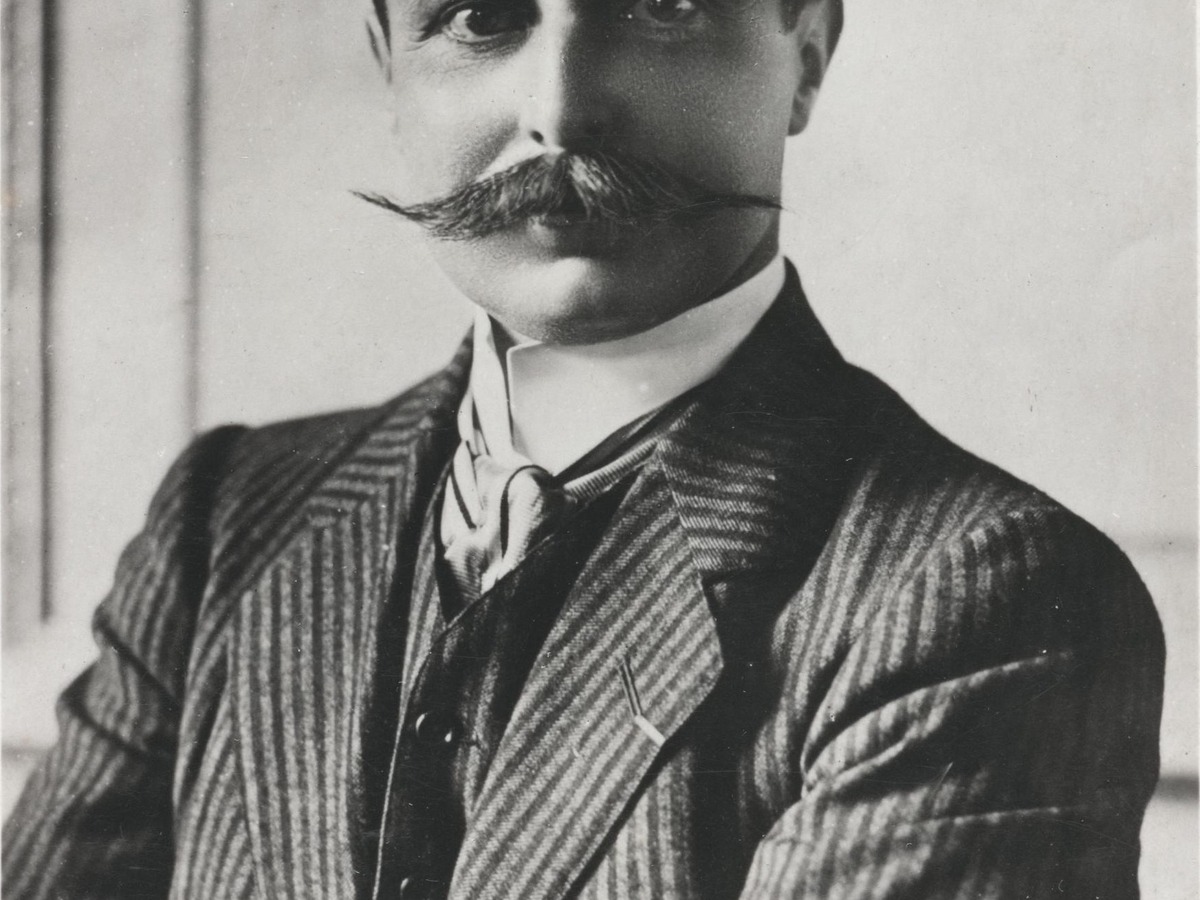
He crossed the Channel in thirty-seven minutes and proved the sea was no longer a border.
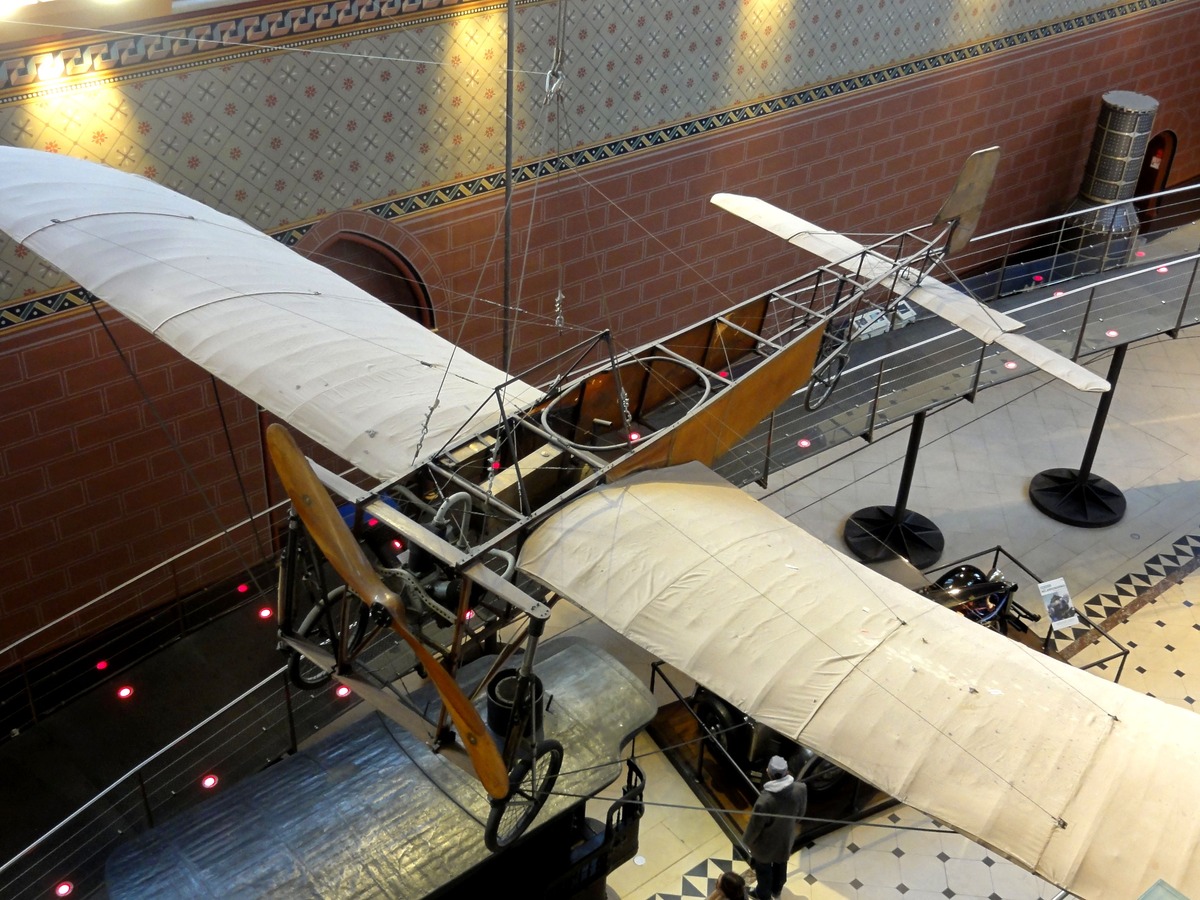
Wood, fabric, wire and a three-cylinder engine — and it flew over open water.
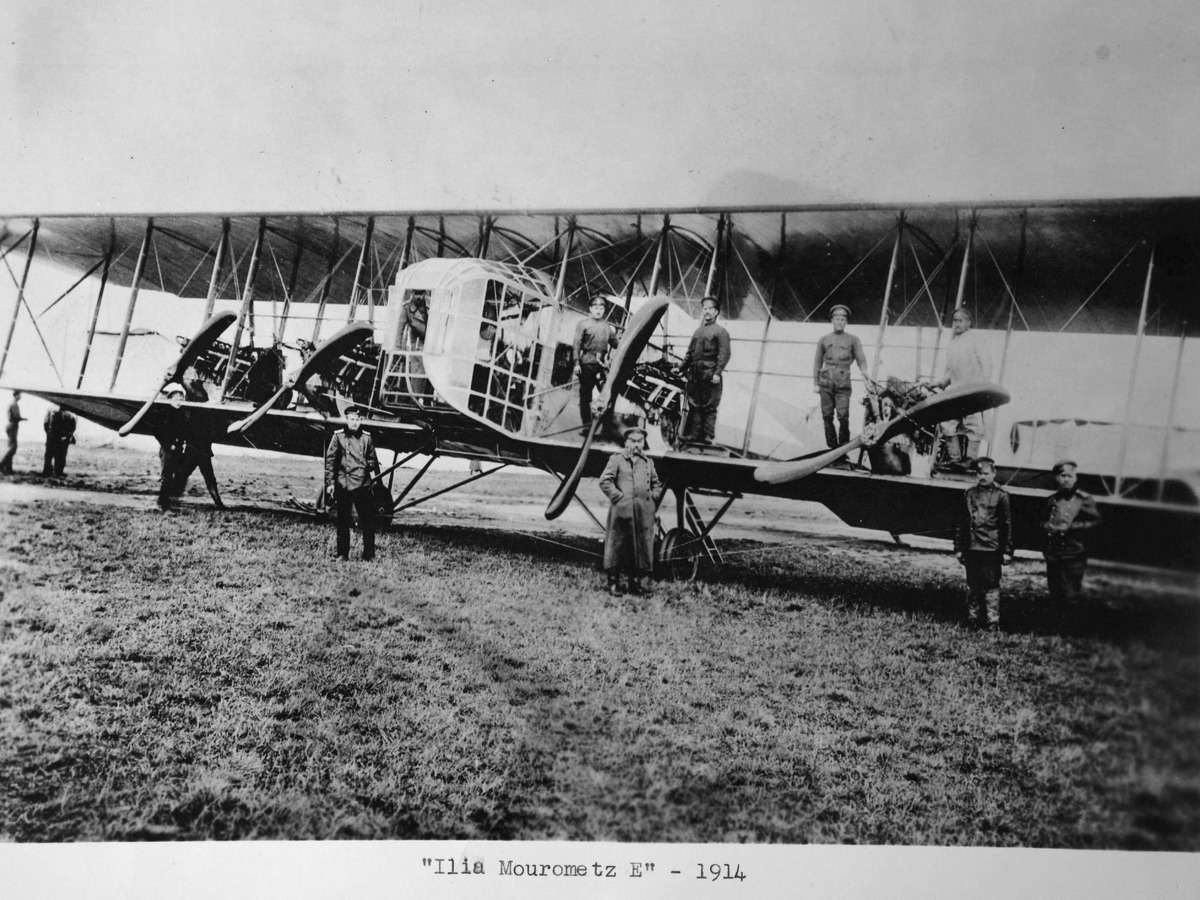
Four engines, a heated cabin, windows and an outside walkway — in 1913.
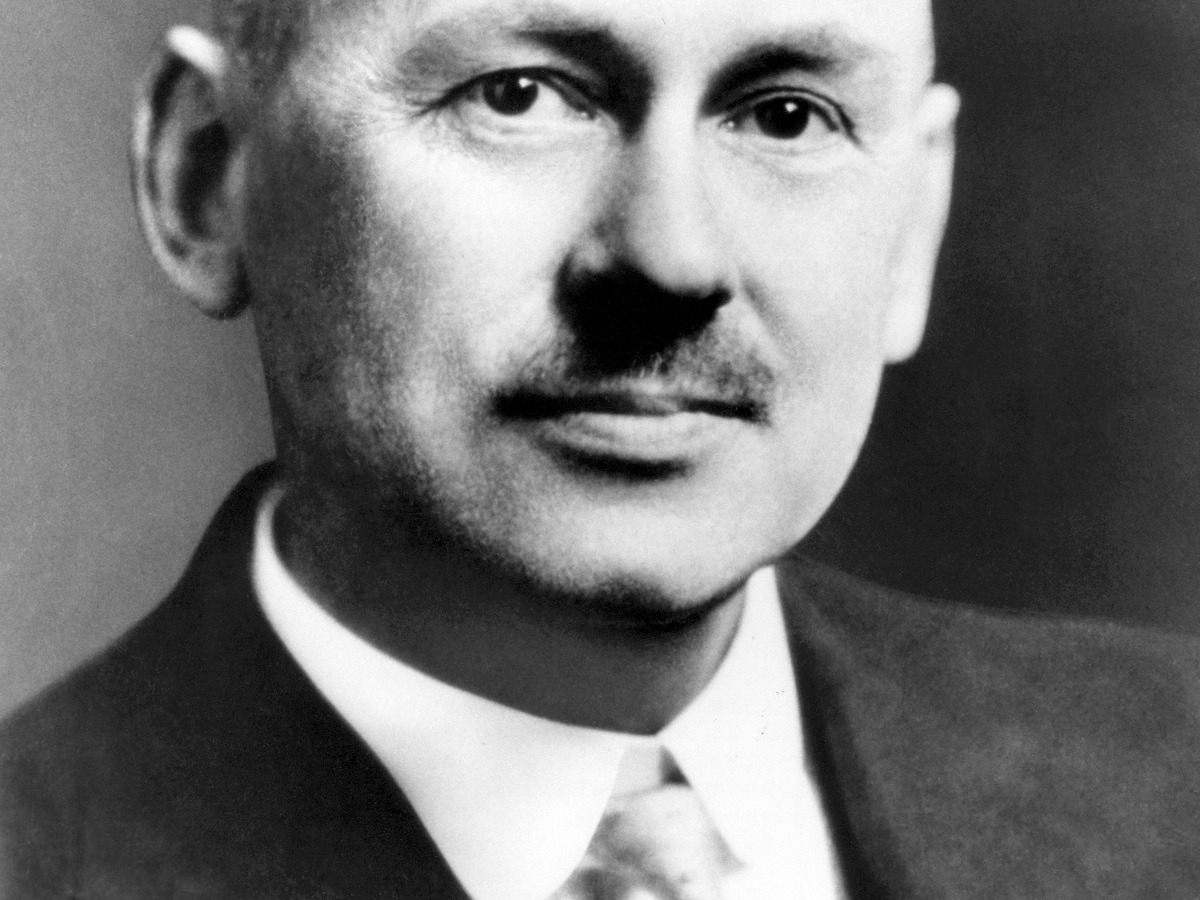
A newspaper mocked him for believing a rocket could work in the vacuum of space. It printed a correction the day after Apollo 11 launched.
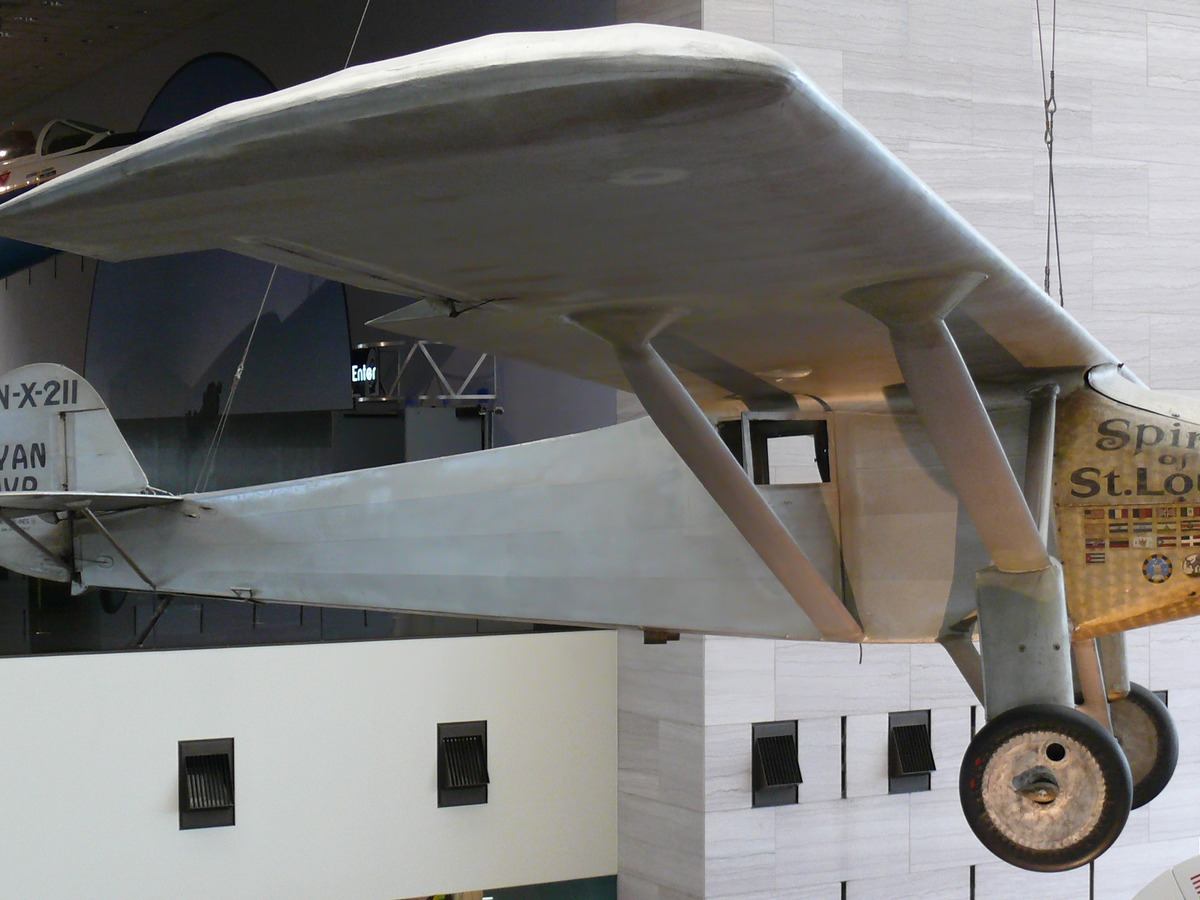
Thirty-three and a half hours alone over the Atlantic, with no radio and no forward windscreen.
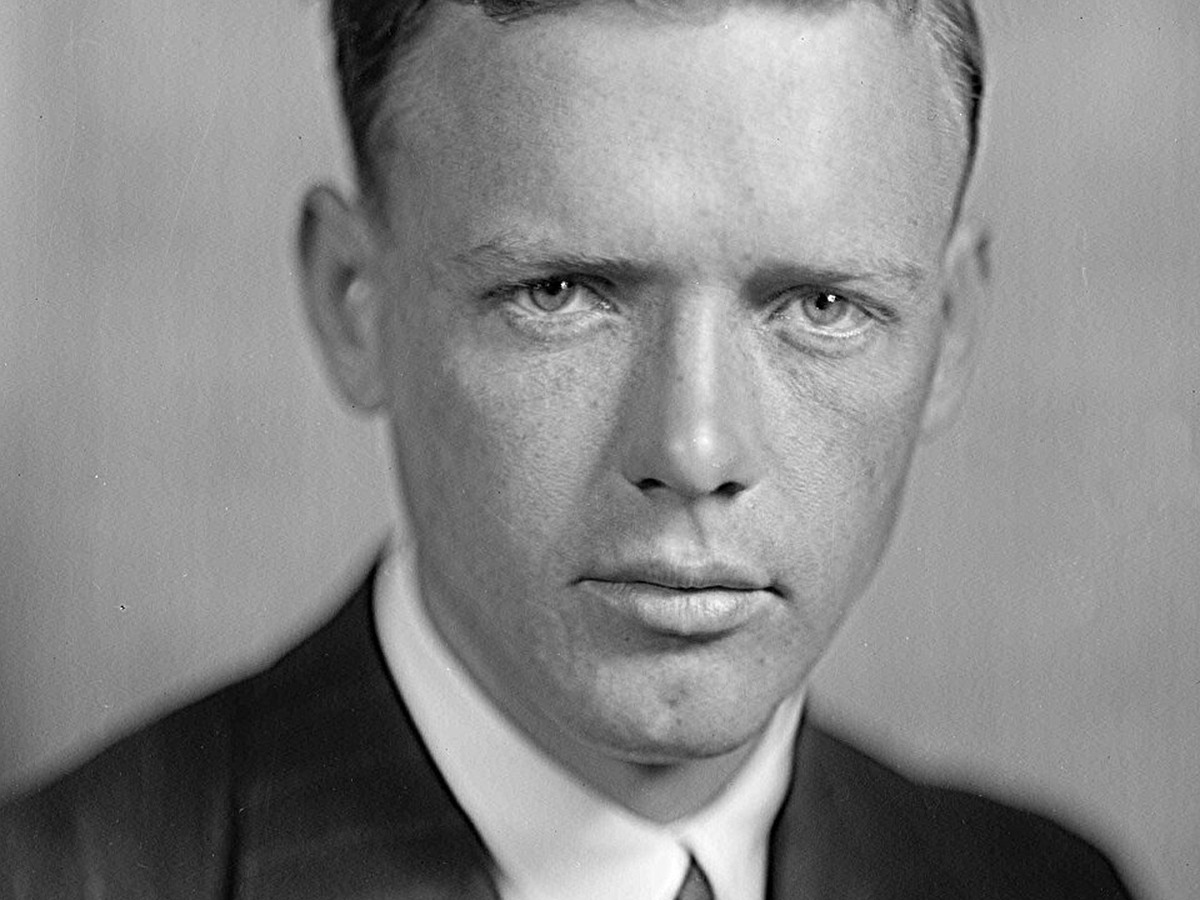
He left New York unknown and landed in Paris thirty-three hours later to a crowd of a hundred thousand people.
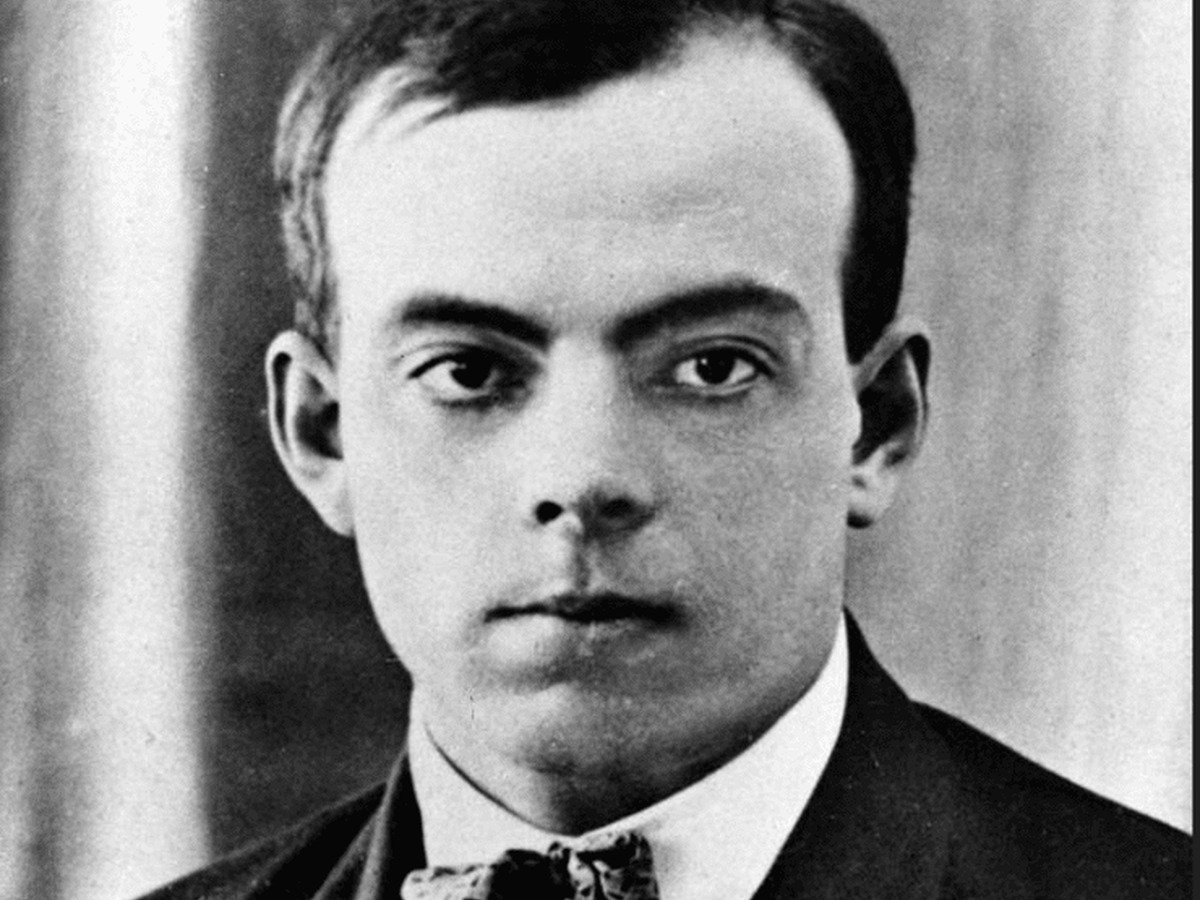
An Aéropostale mail pilot who wrote down what seeing the Earth from above does to a person. He took off in 1944 and never came back.
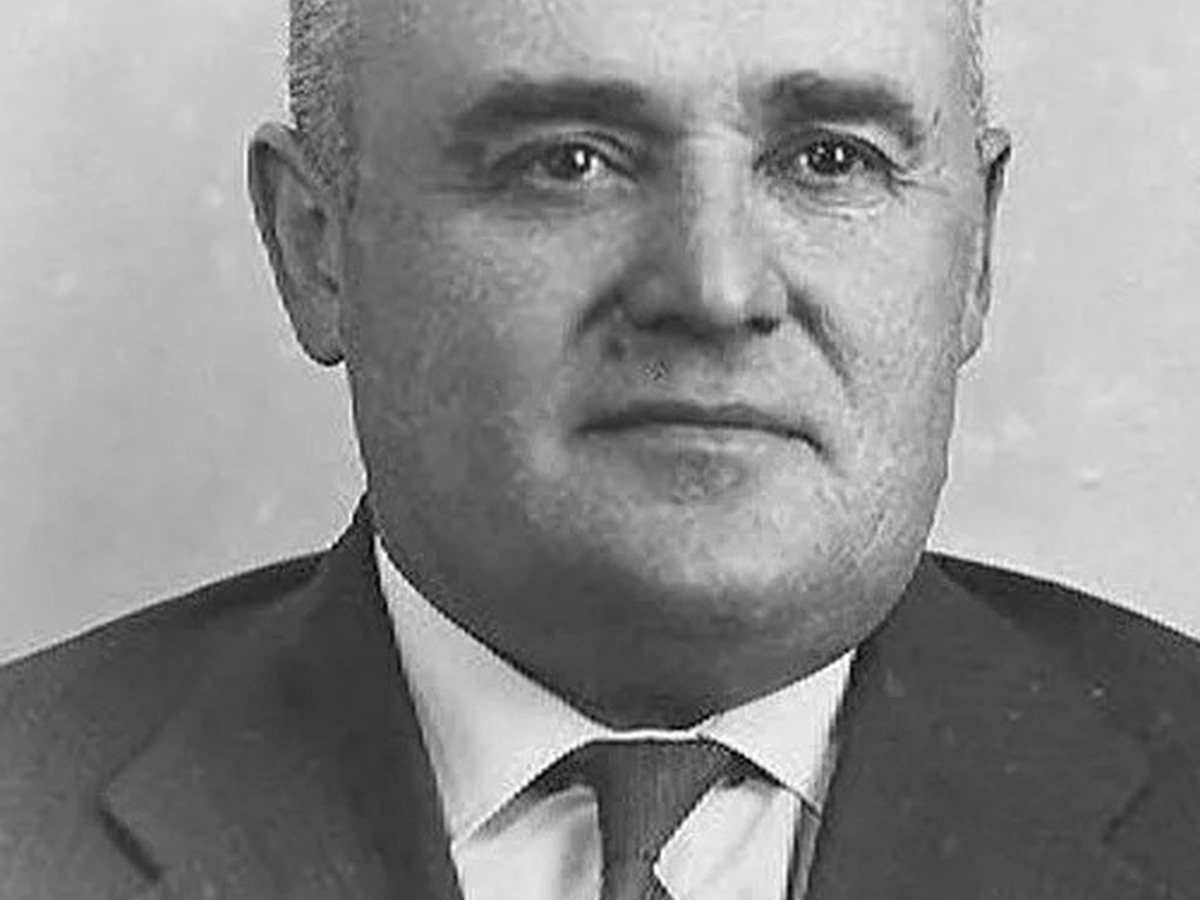
His name stayed a state secret while he was alive. He sent up Sputnik, then Gagarin, and the world only learned who he was at his funeral.
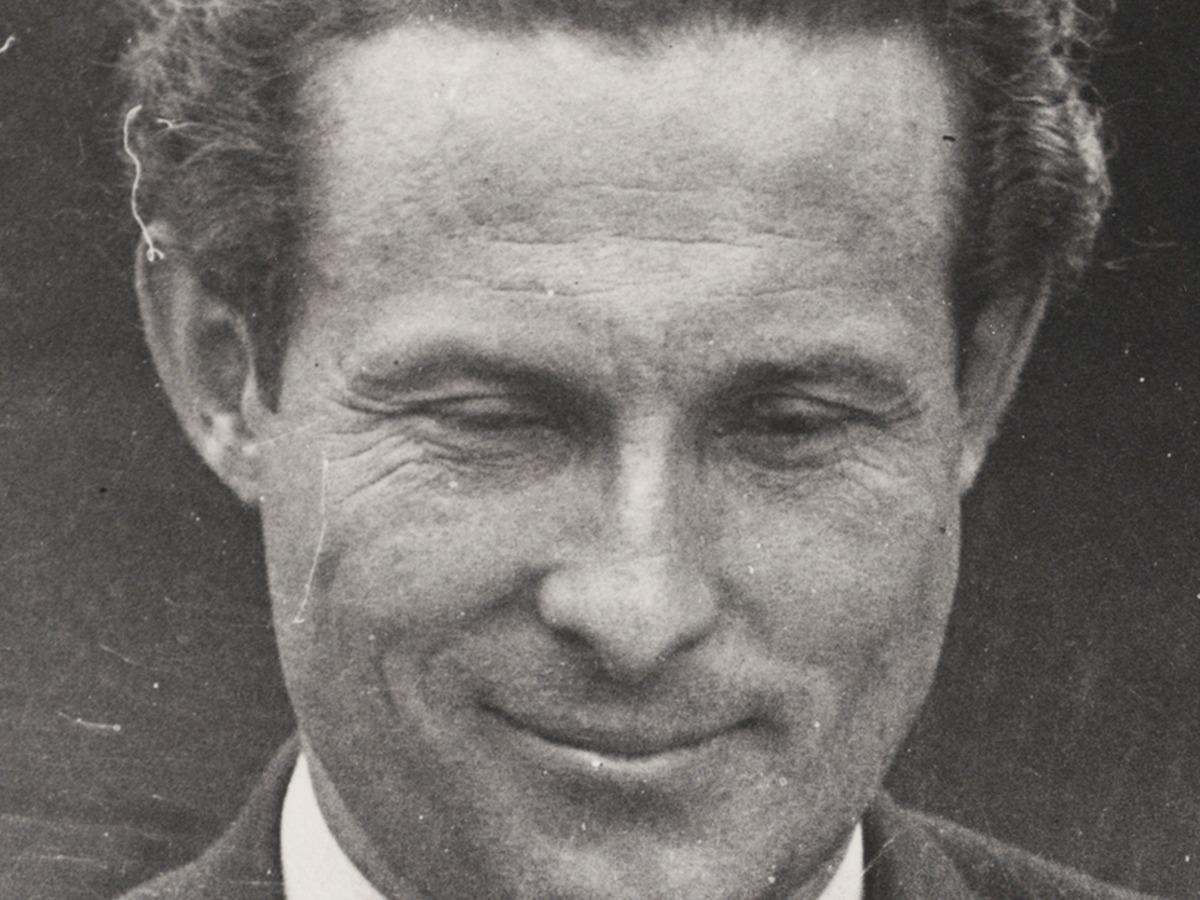
He opened the mail route across the South Atlantic. Six years later his seaplane sent one last message and was never found.
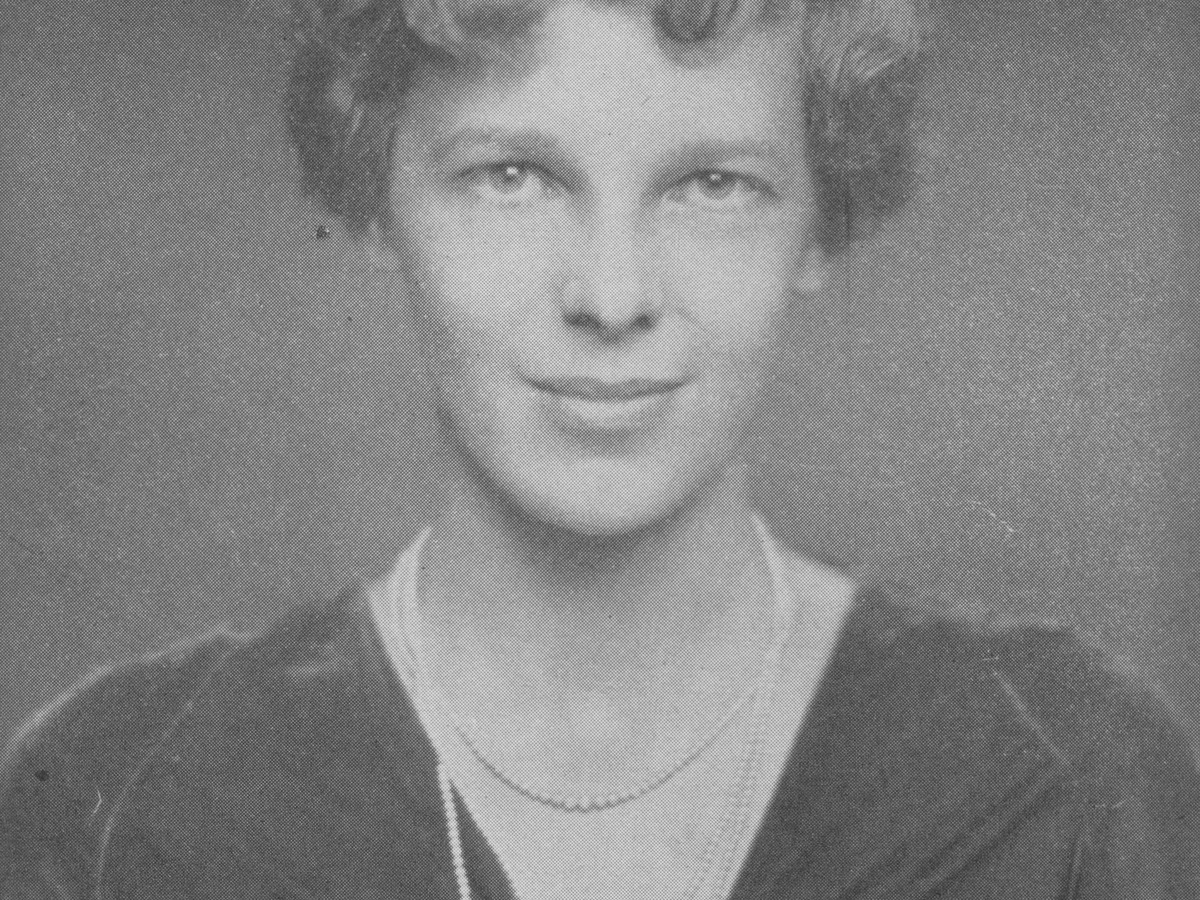
The first woman to fly the Atlantic alone. Five years later she vanished over the Pacific, and the search has never really stopped.
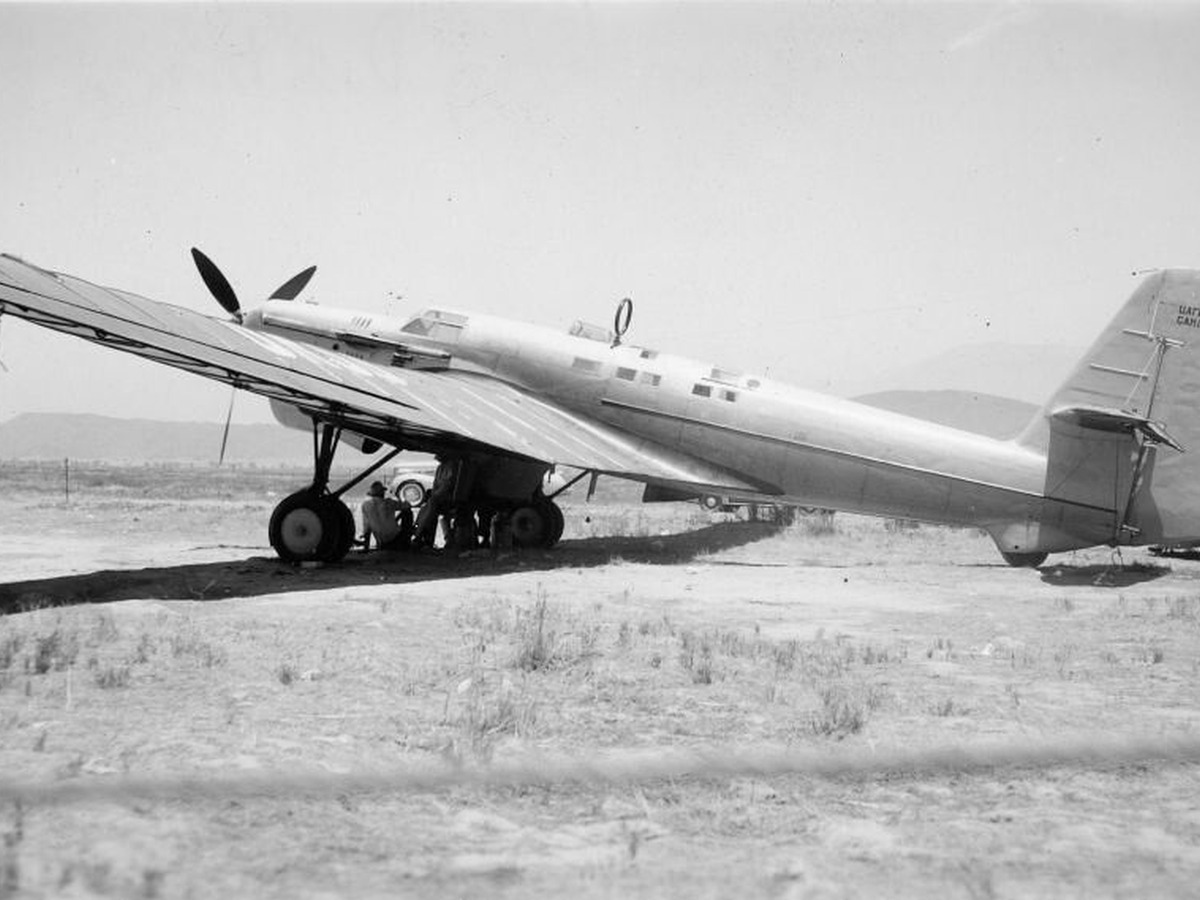
In 1937 it crossed the North Pole non-stop, from Moscow all the way to the United States.
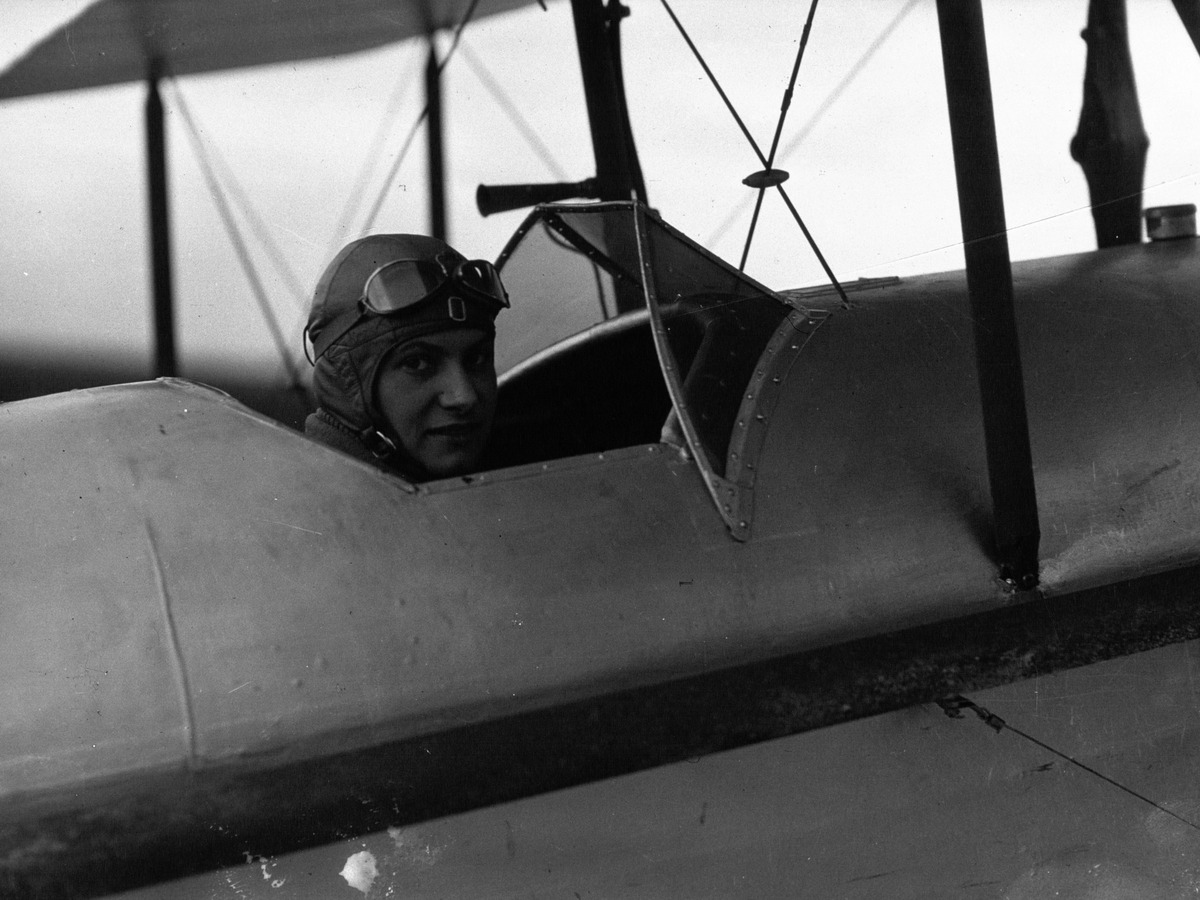
At twenty-six she broke speed records in every category, the men's included. Three months later she died on a training flight.
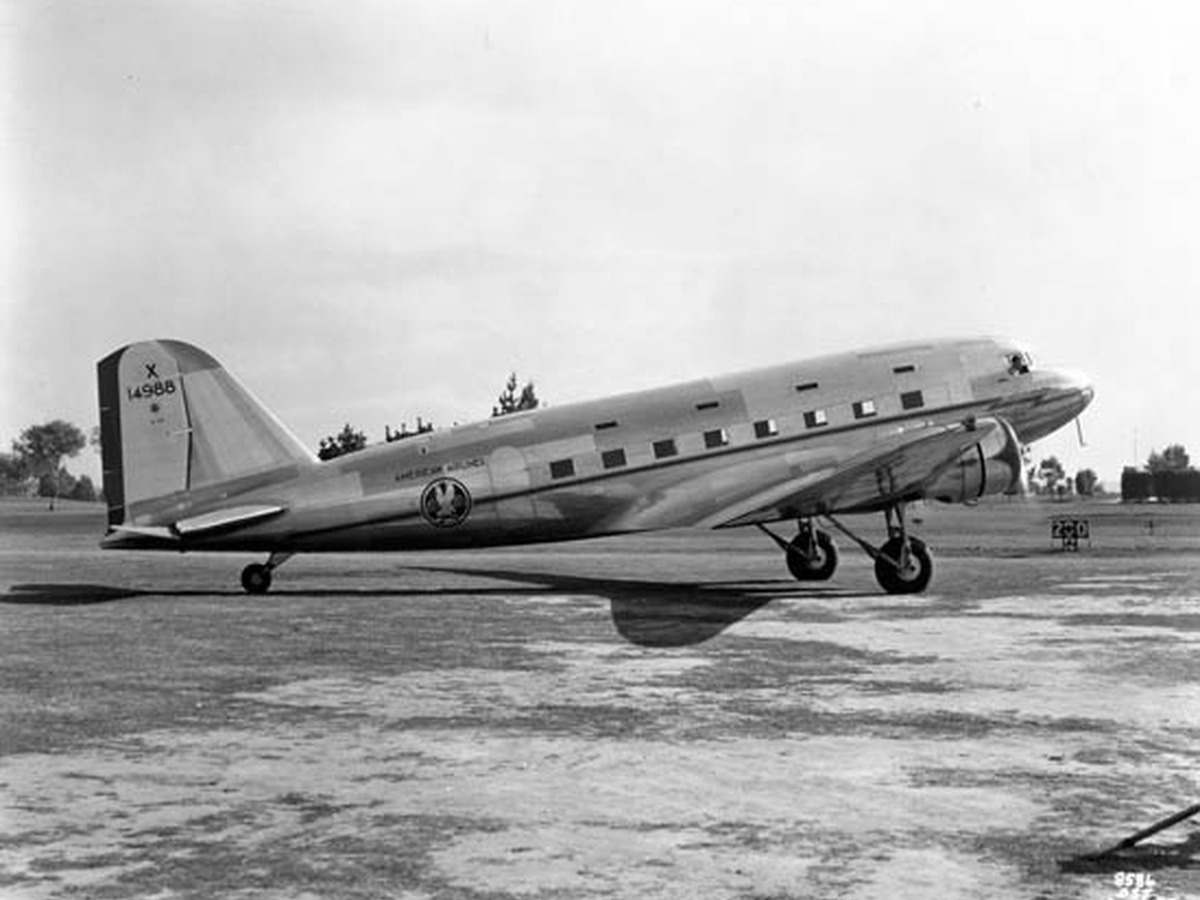
The first airliner that could pay for itself carrying passengers alone. Some are still flying freight today.
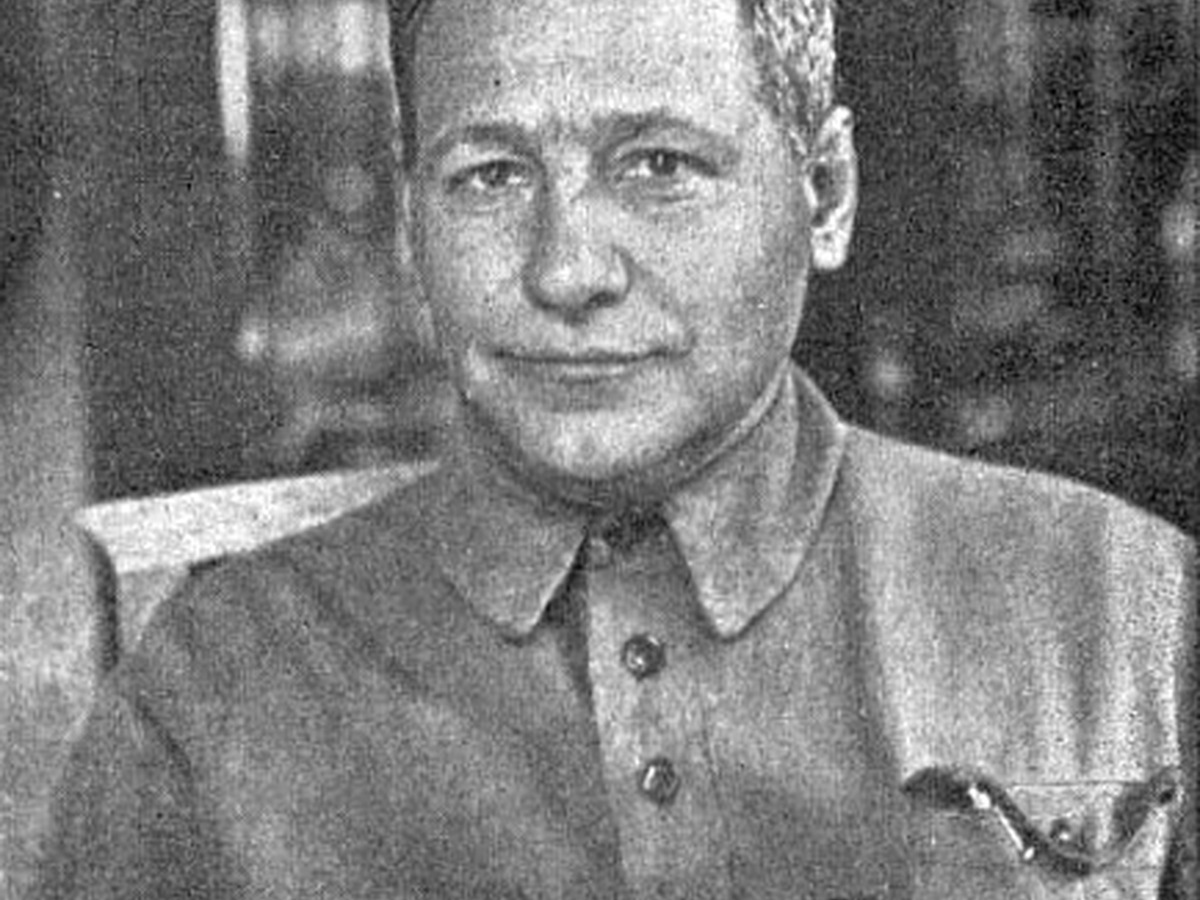
He designed more than a hundred aircraft — some of them from the prison workshop where he was held on invented charges of sabotage.
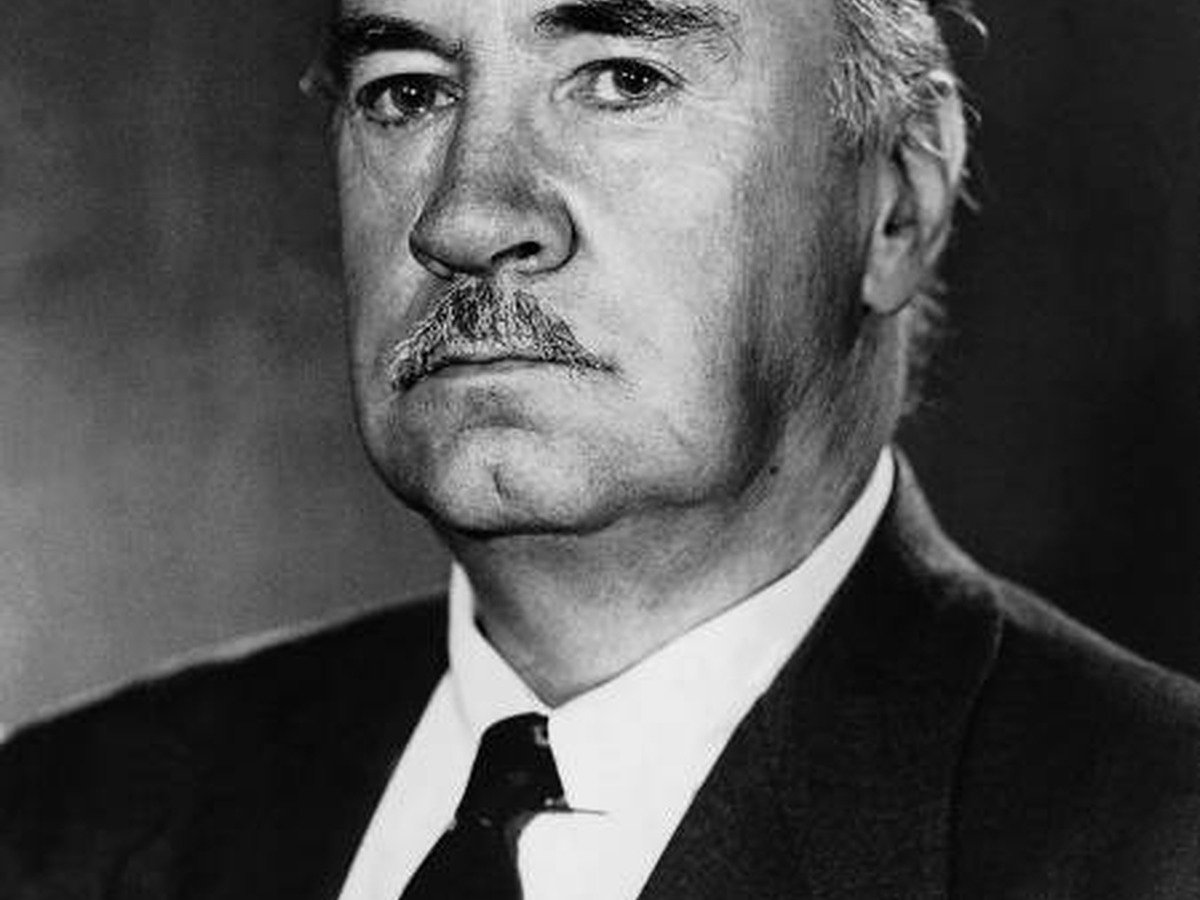
He built the first four-engine airliner in Russia, lost everything in the revolution, and started again in America — with helicopters.
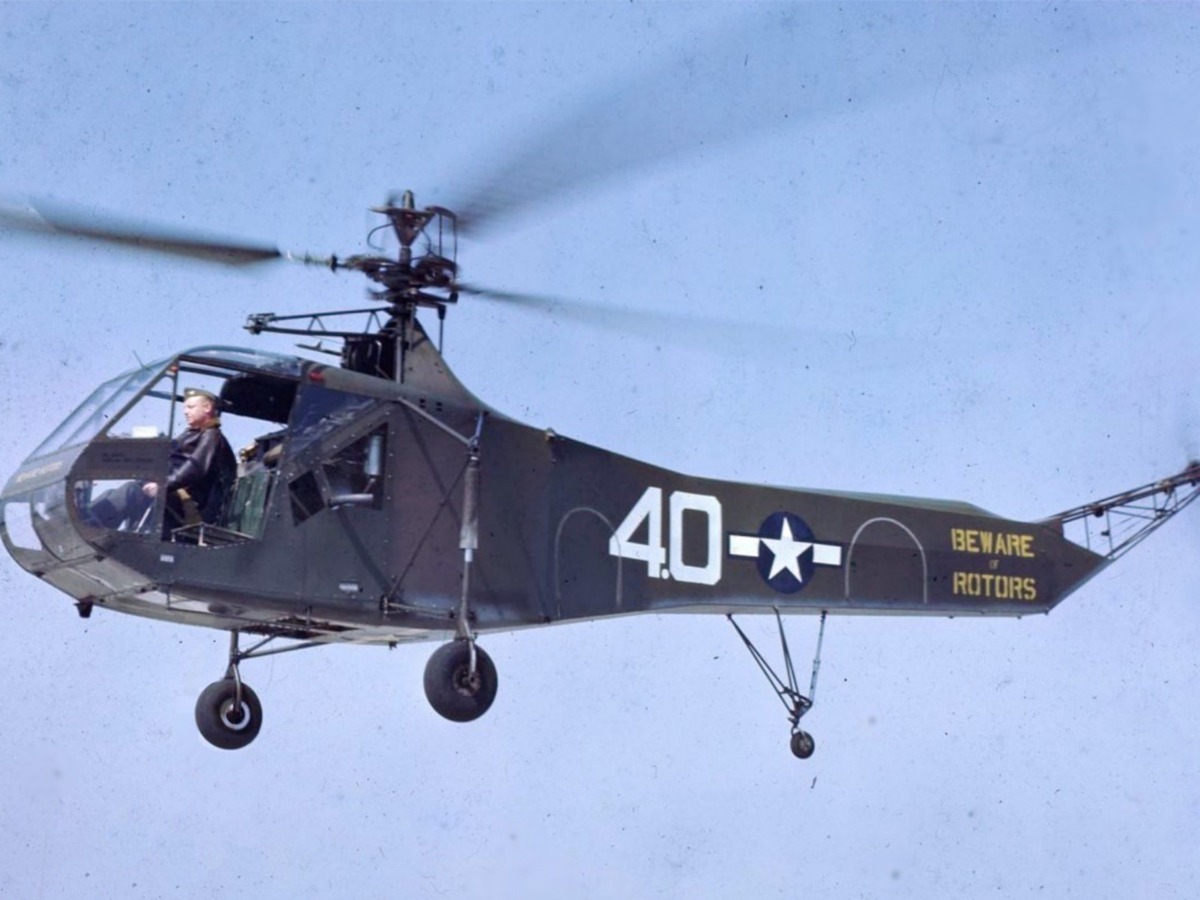
The first helicopter built in numbers. An aircraft that can stop in mid-air changes what rescue means.
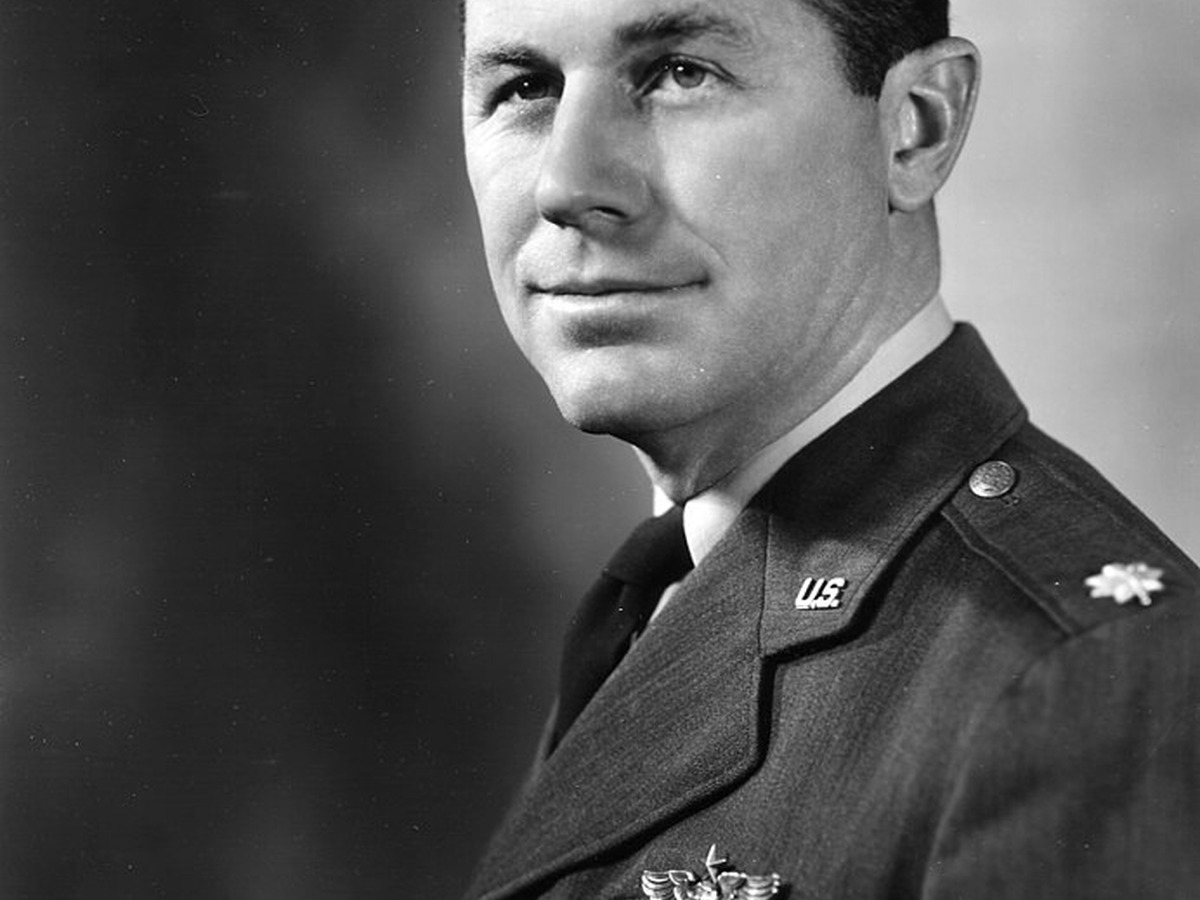
Two broken ribs, a sawn-off broom handle to close the hatch, and the sound barrier fell on the first honest try.
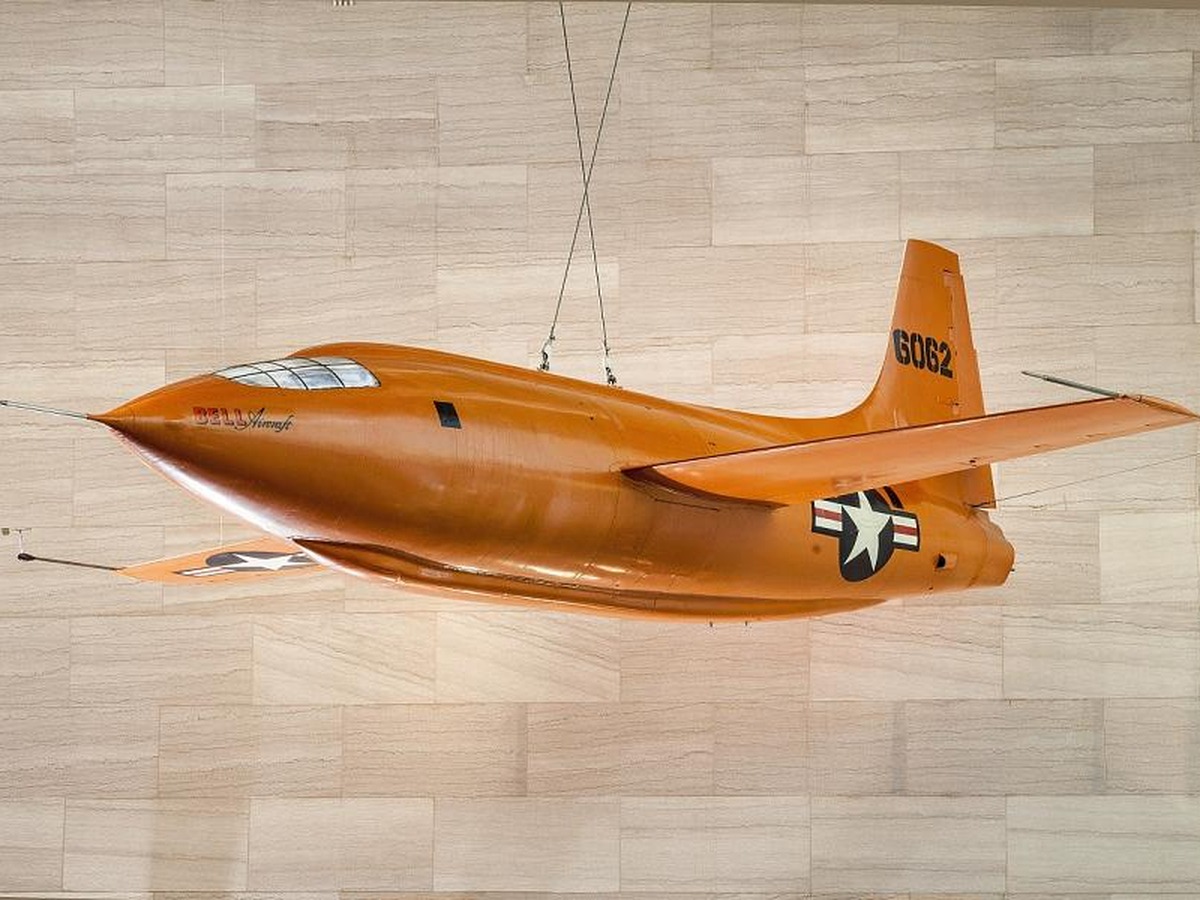
Shaped like a rifle bullet, because bullets were the only things known to go that fast.
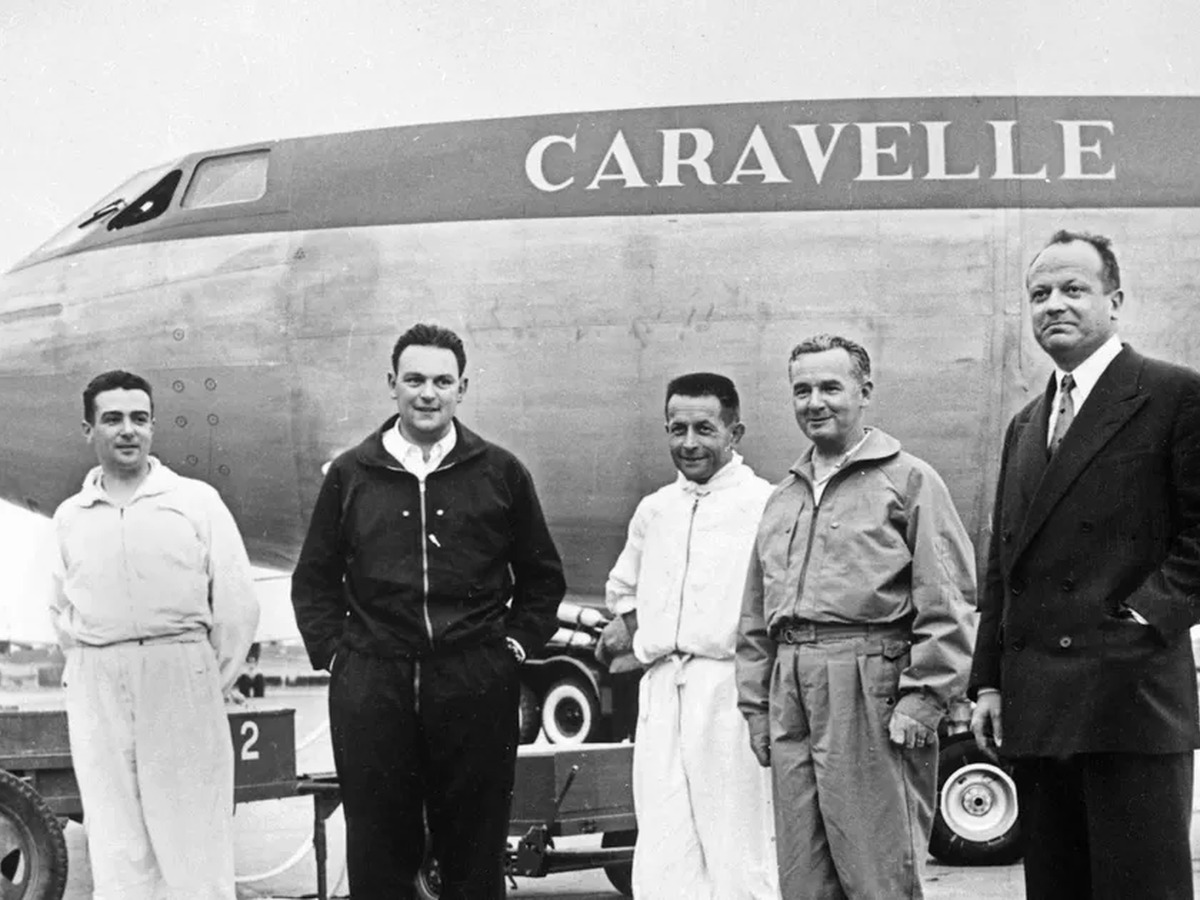
Put the engines at the tail and the cabin goes quiet. A French idea, copied by everyone.
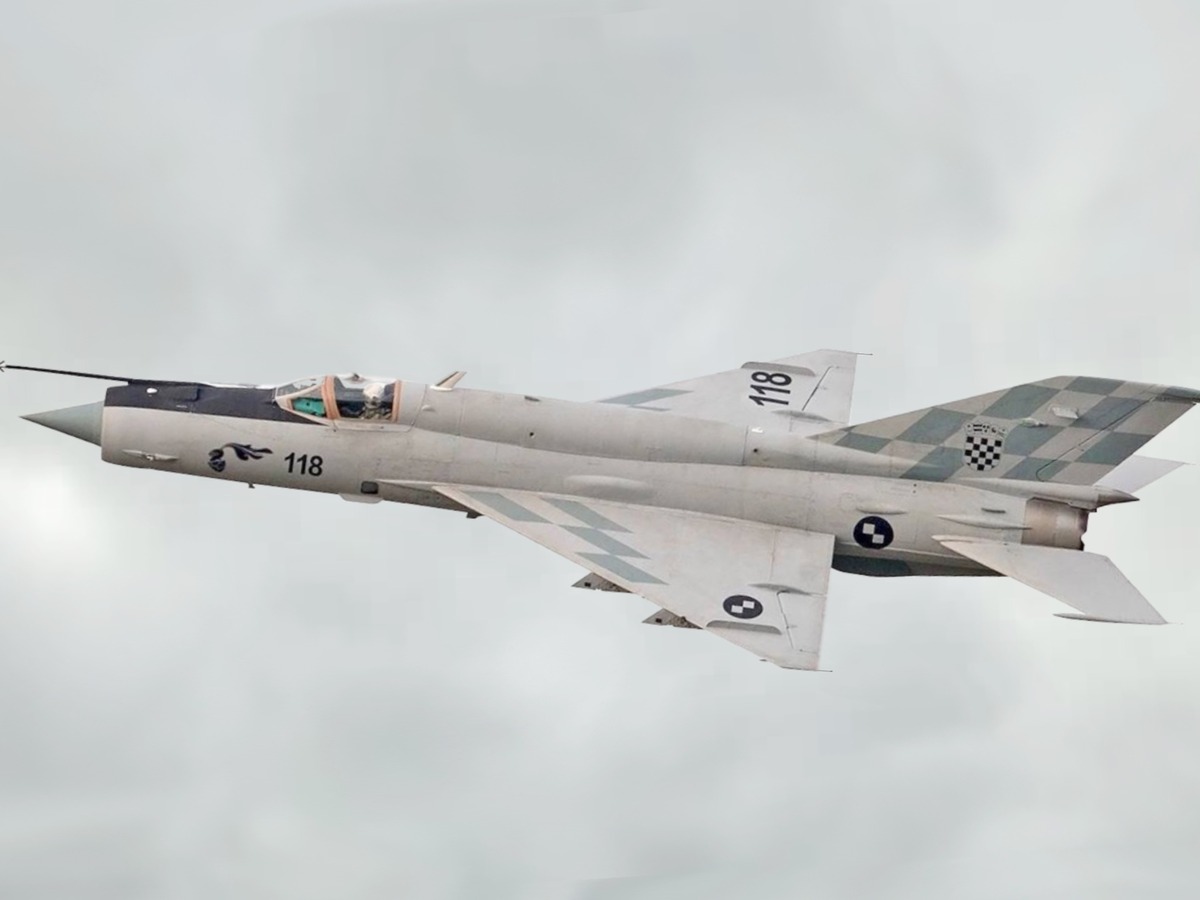
The most-produced supersonic aircraft in history. Sixty countries flew it, and some still do.
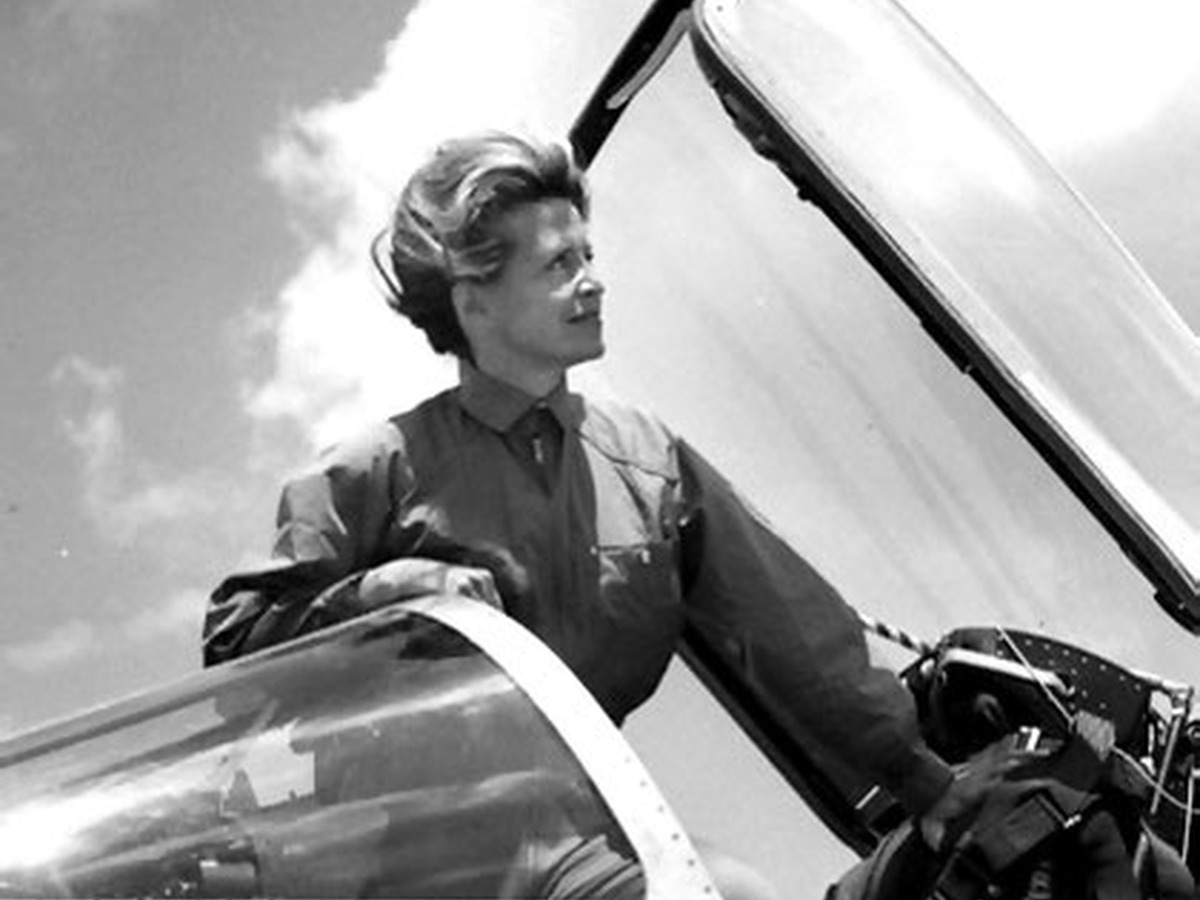
Rebuilt after a crash that took twenty-two operations, she came back as a test pilot and took the women's world speed record five times.
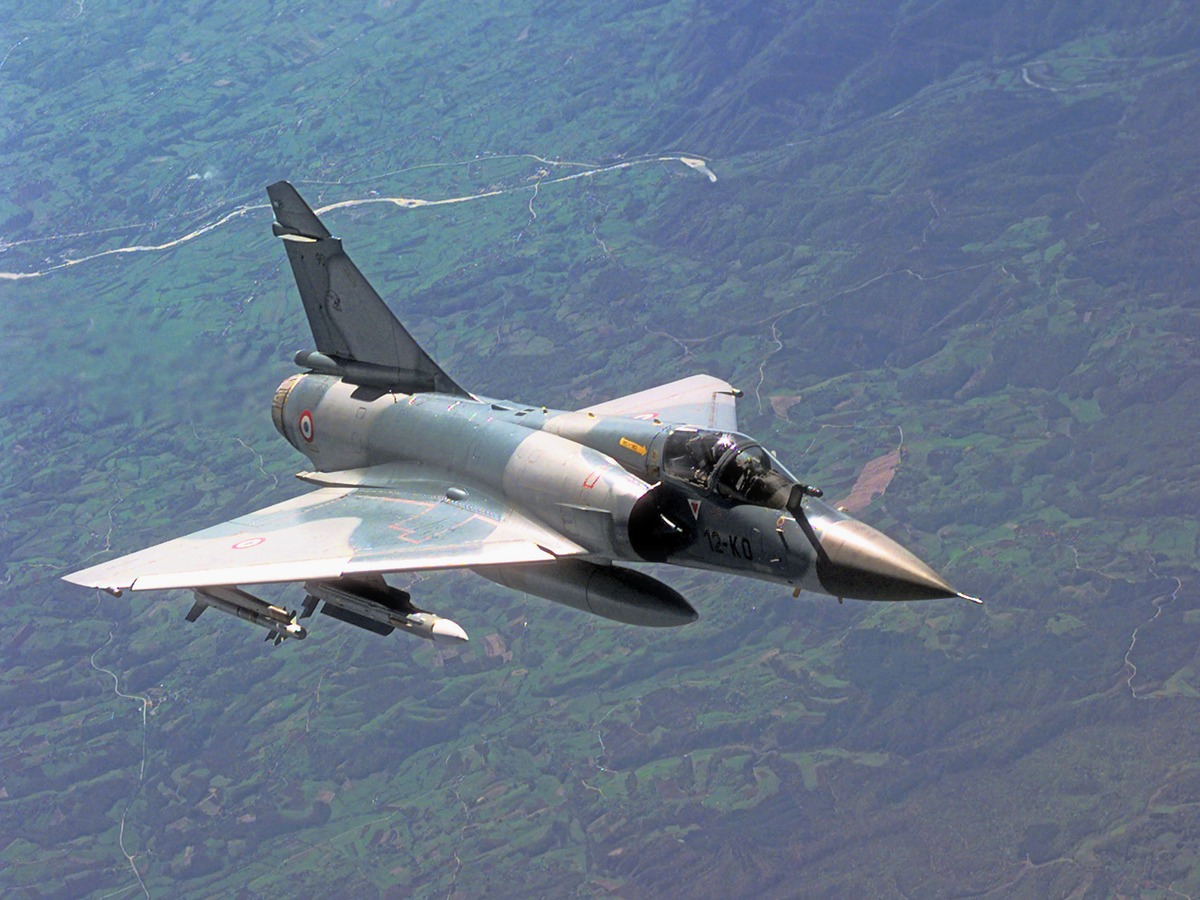
A delta wing drawn like an arrowhead, sold to twenty-one countries, and still the shape people picture when they hear the word fighter.
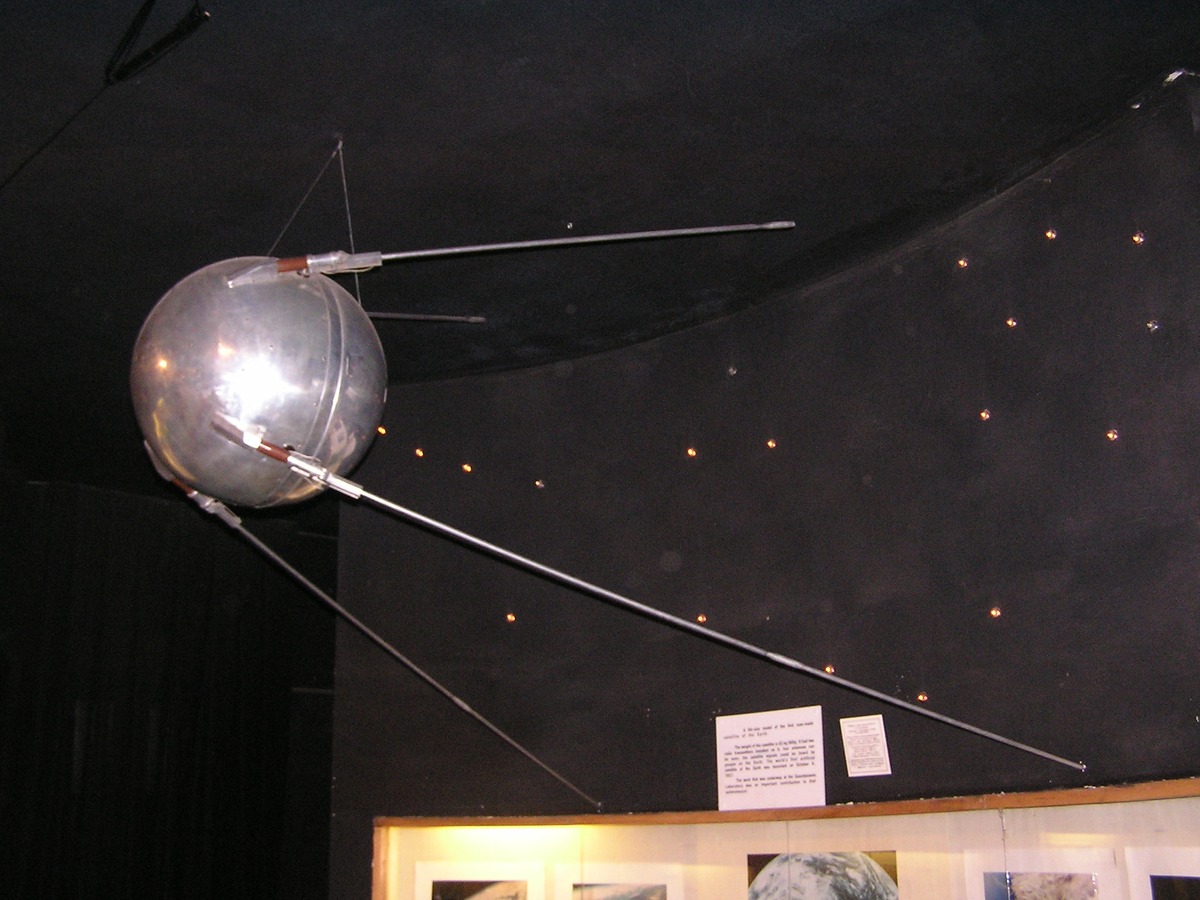
A polished metal ball with four antennas, beeping. Anyone with a radio could hear the future arrive.
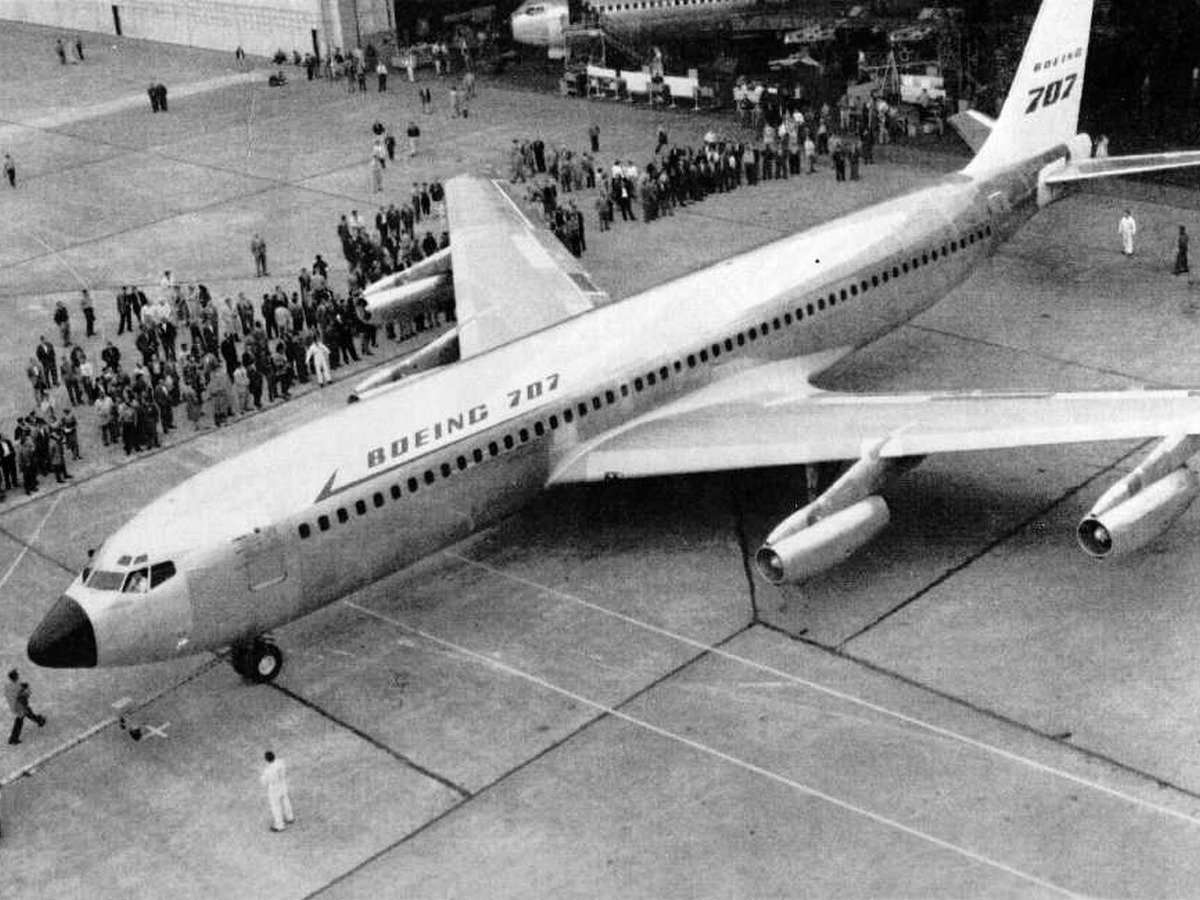
It cut the Atlantic crossing in half and made a plane ticket something an ordinary family could think about.
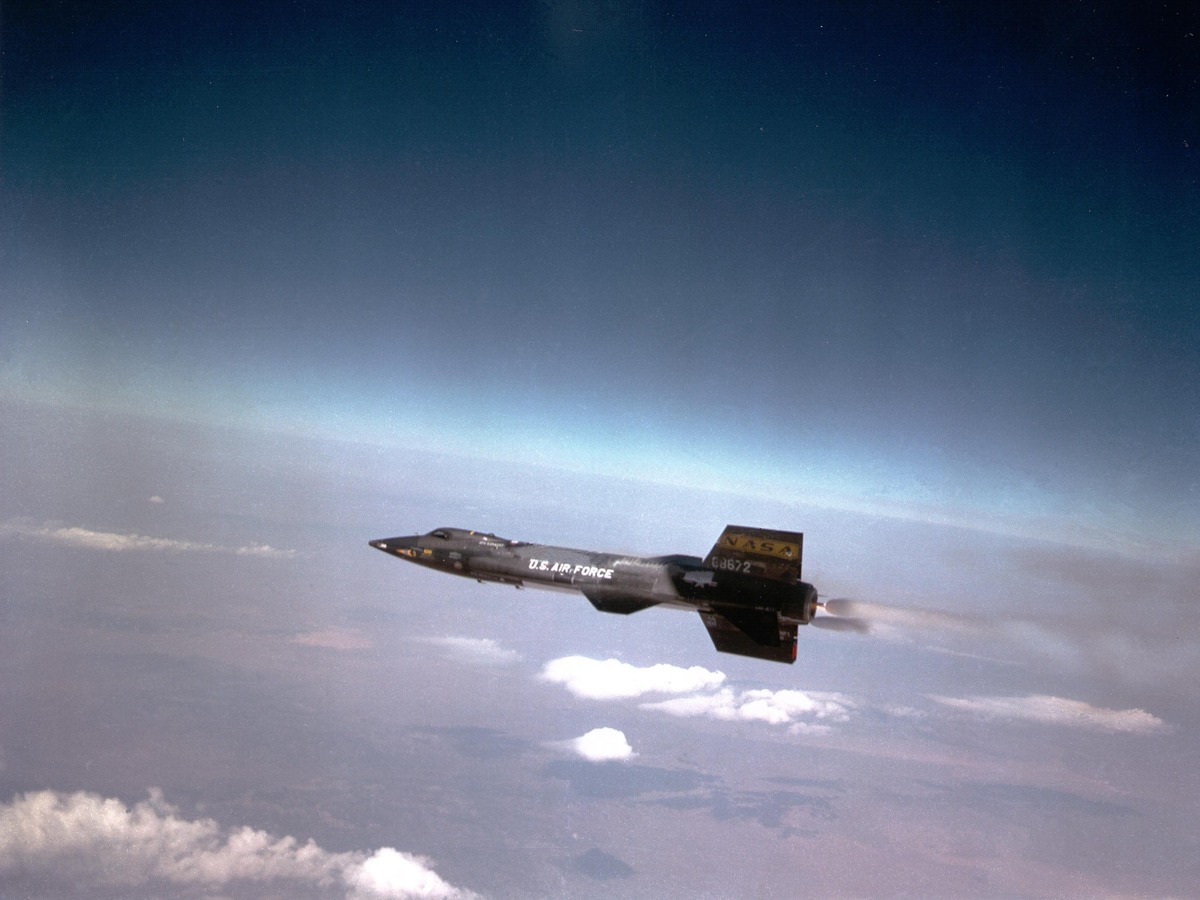
Dropped from under a bomber's wing, it climbed past the edge of space and glided back. Eight of its pilots earned astronaut wings without ever riding a rocket.
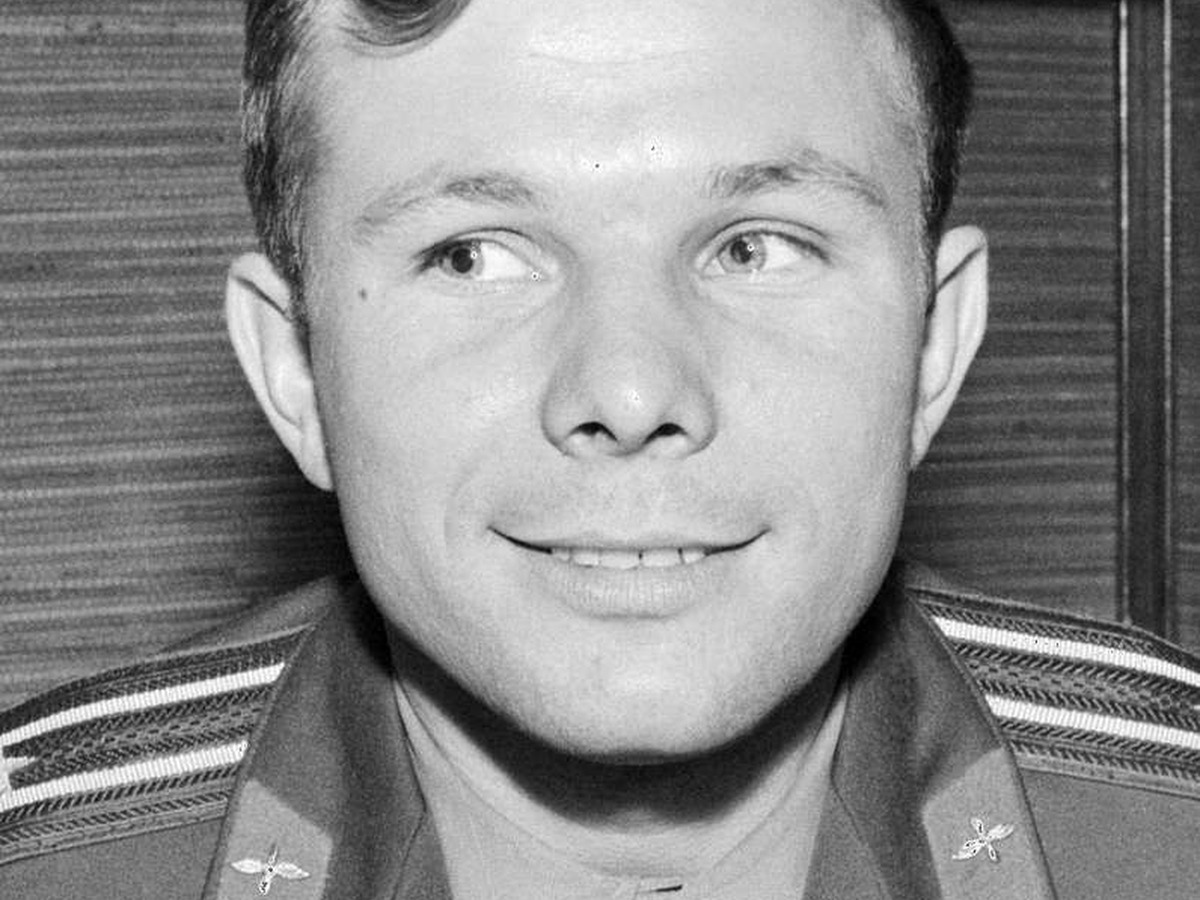
A foundry worker's son, twenty-seven years old, alone in a sphere for 108 minutes — the first human being to see the Earth whole.
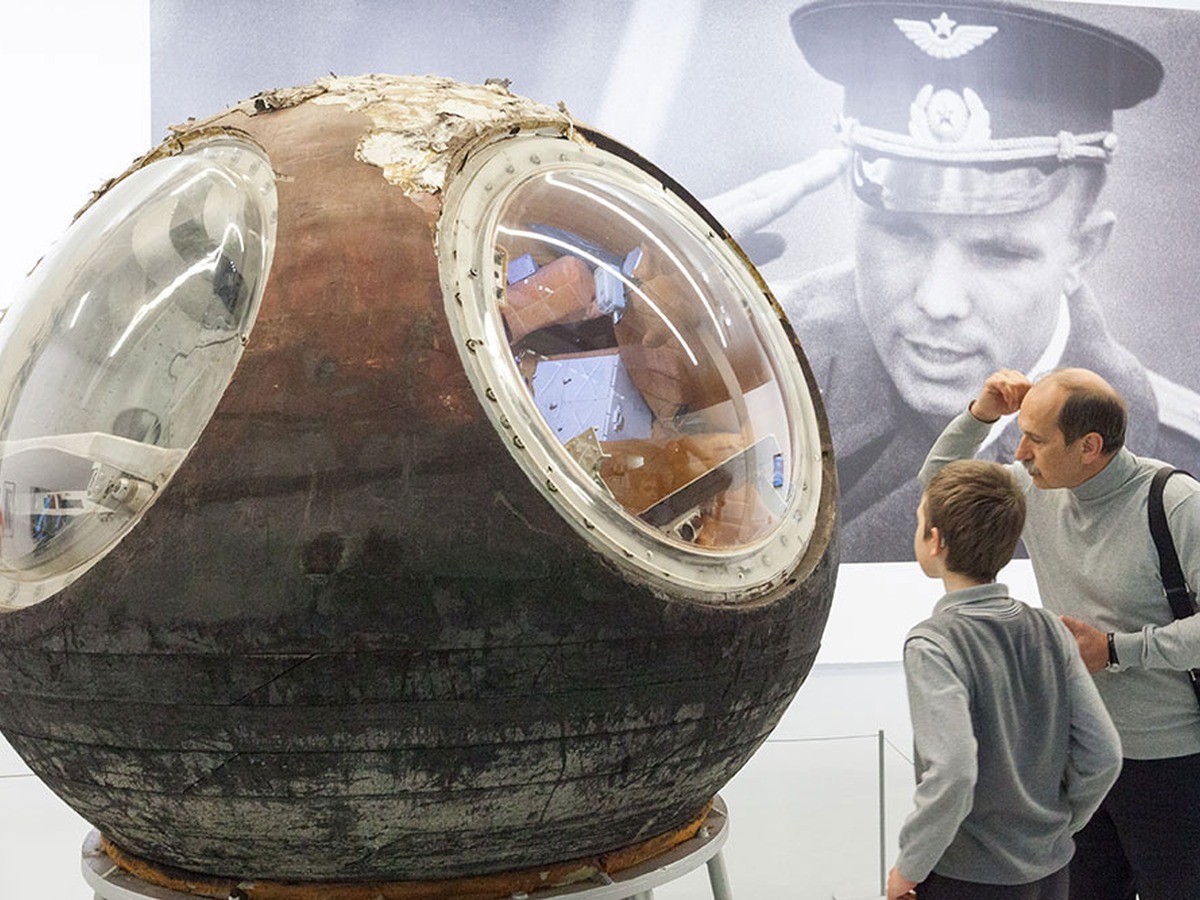
One orbit, no manual control, and an ejection seat for the last seven kilometres home.
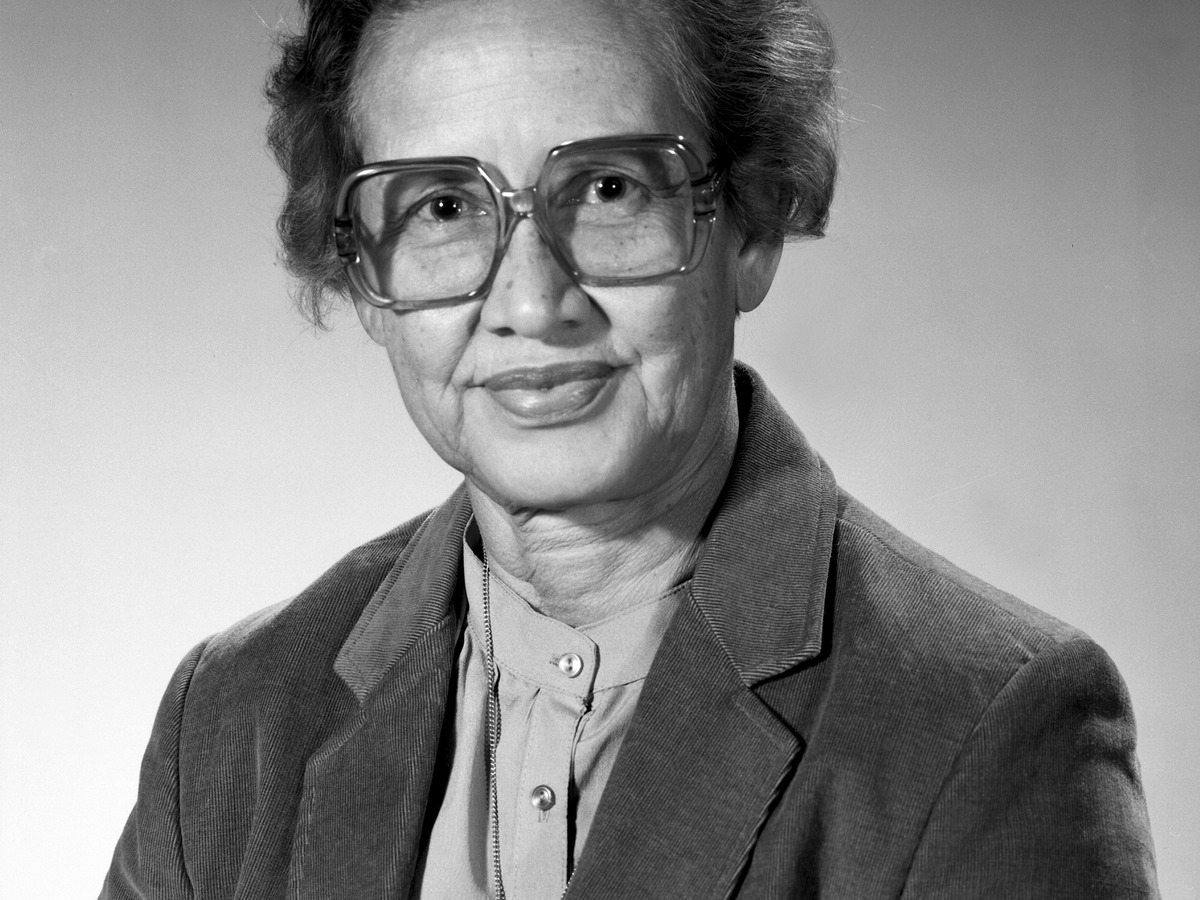
She computed orbital trajectories by hand. Before his flight, John Glenn refused to go until she had checked the machine's numbers herself.
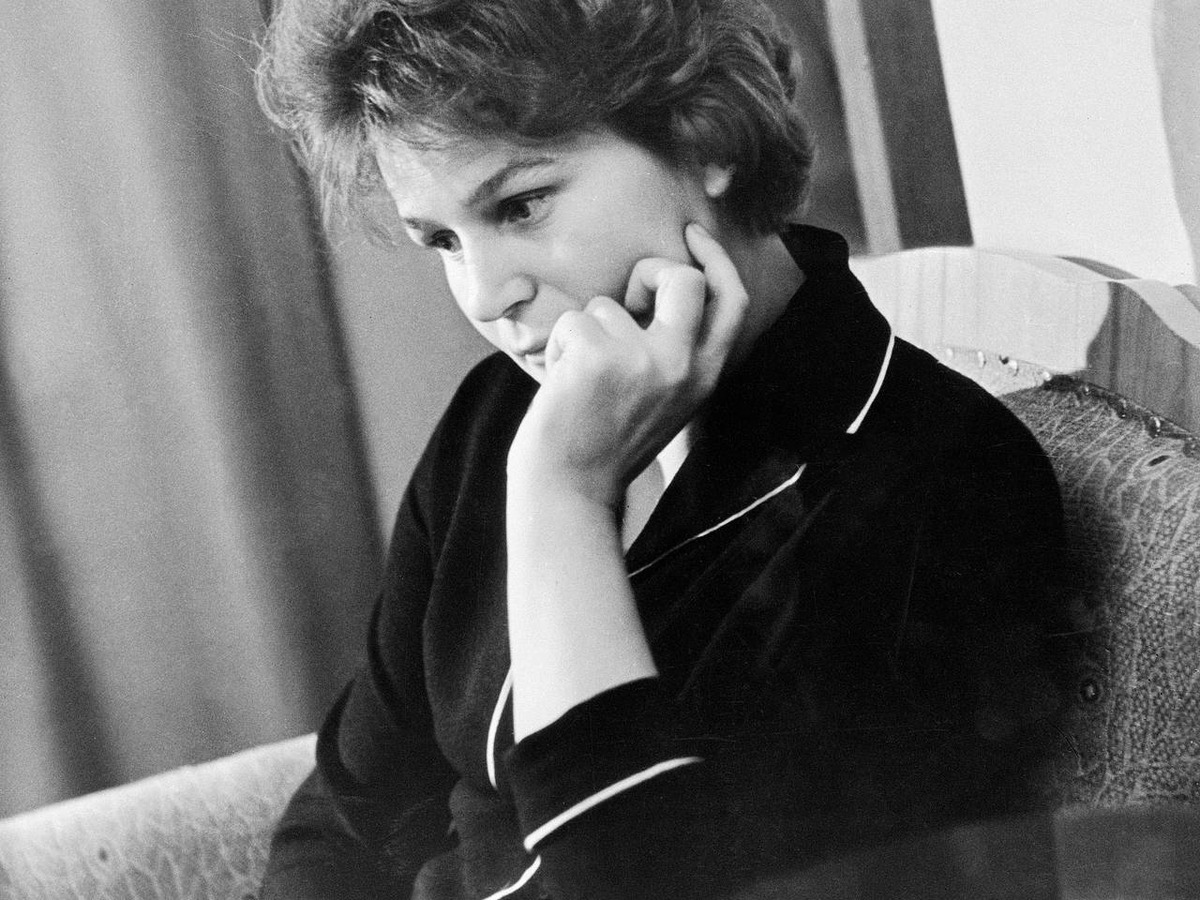
A textile mill worker and amateur parachutist. In 1963 she spent three days in orbit — more flight time than every American astronaut before her, combined.
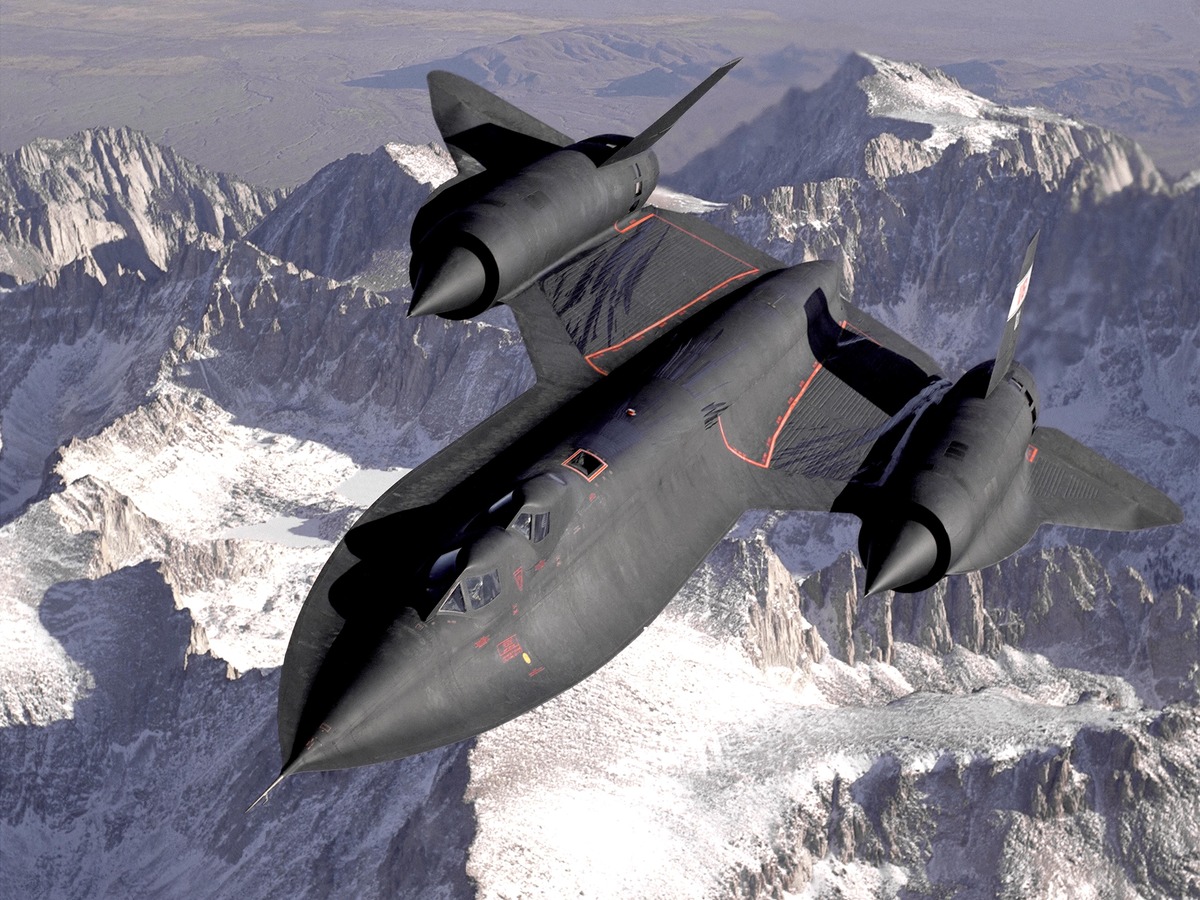
It leaked fuel on the ground because it was built to expand in flight. Its escape manoeuvre from a missile was to accelerate.
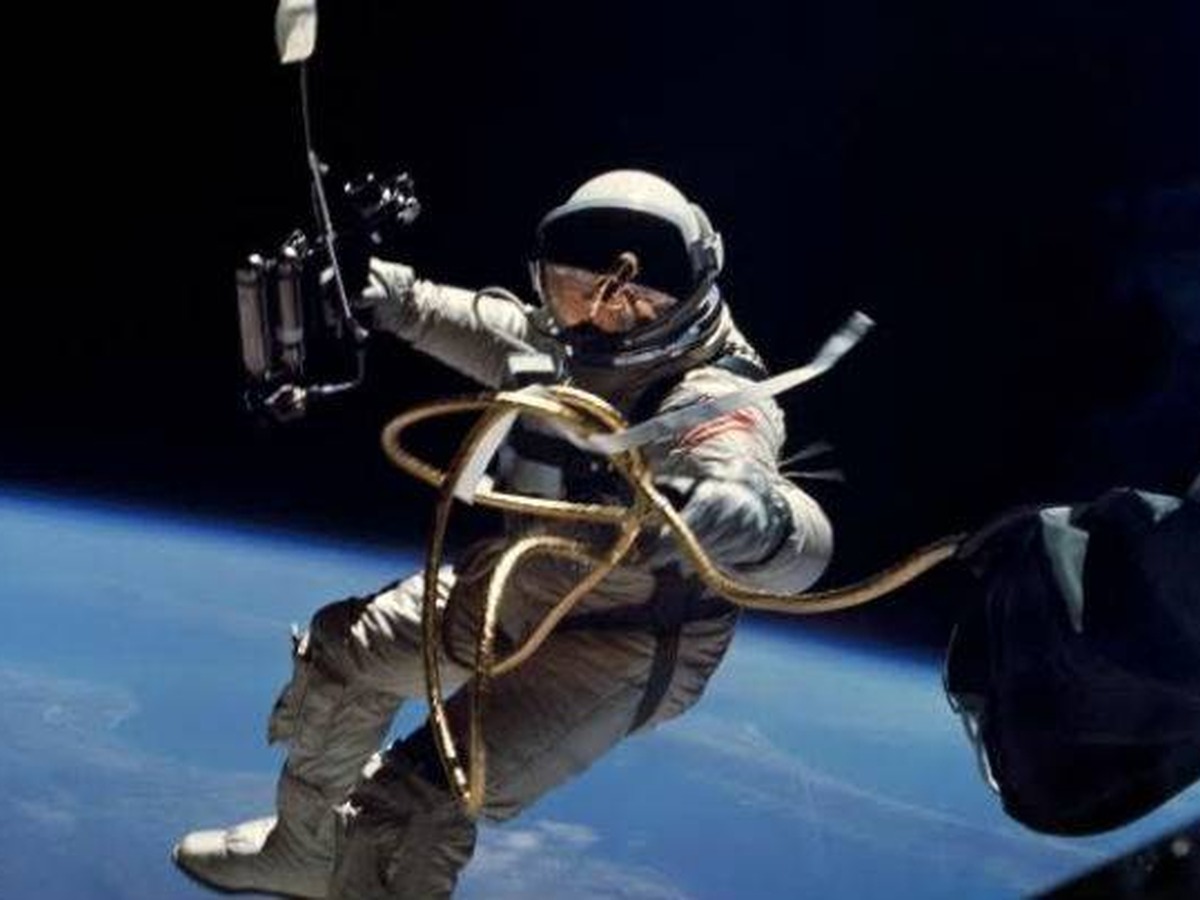
First human to float outside a spacecraft. His suit ballooned so badly he had to bleed off air to fit back through the hatch.
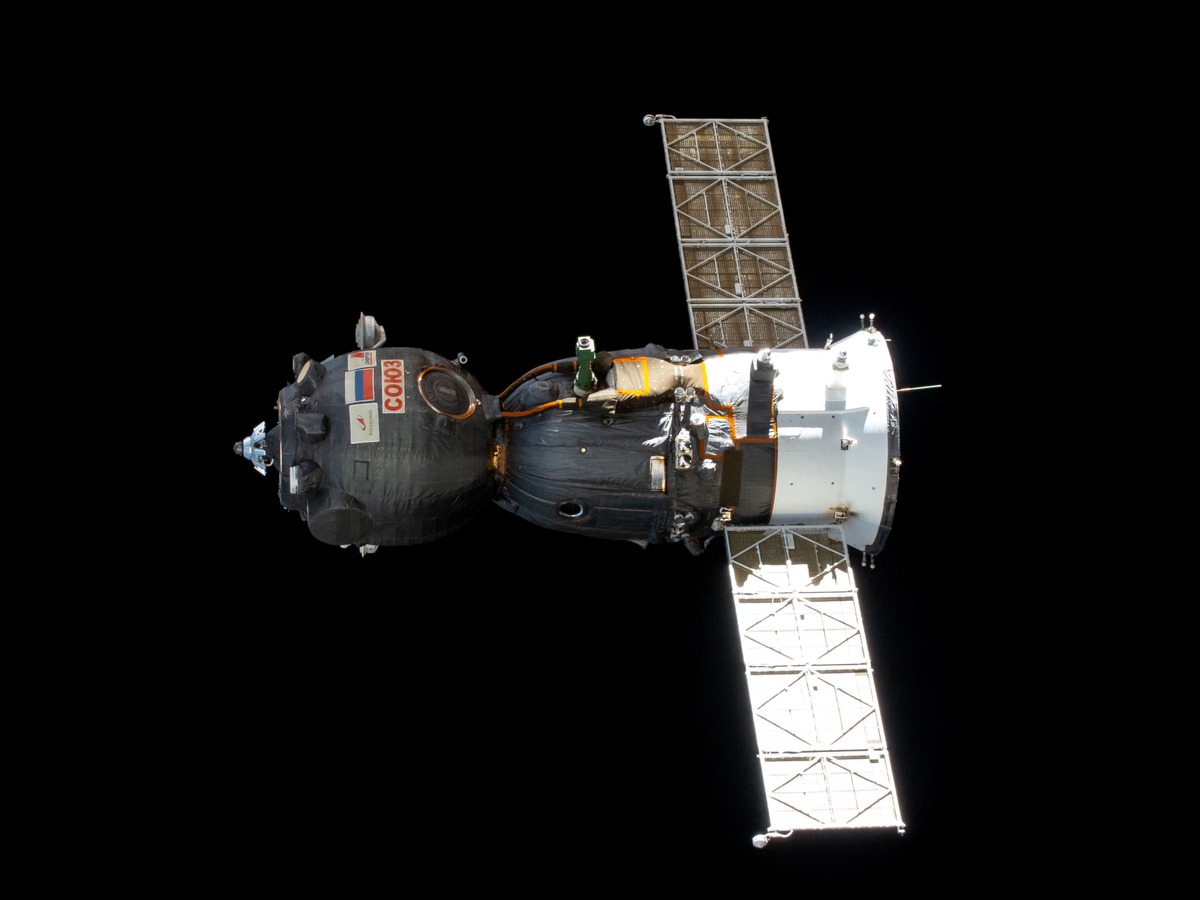
Nearly sixty years in service and still flying crews to orbit — the longest-running spacecraft design in history.
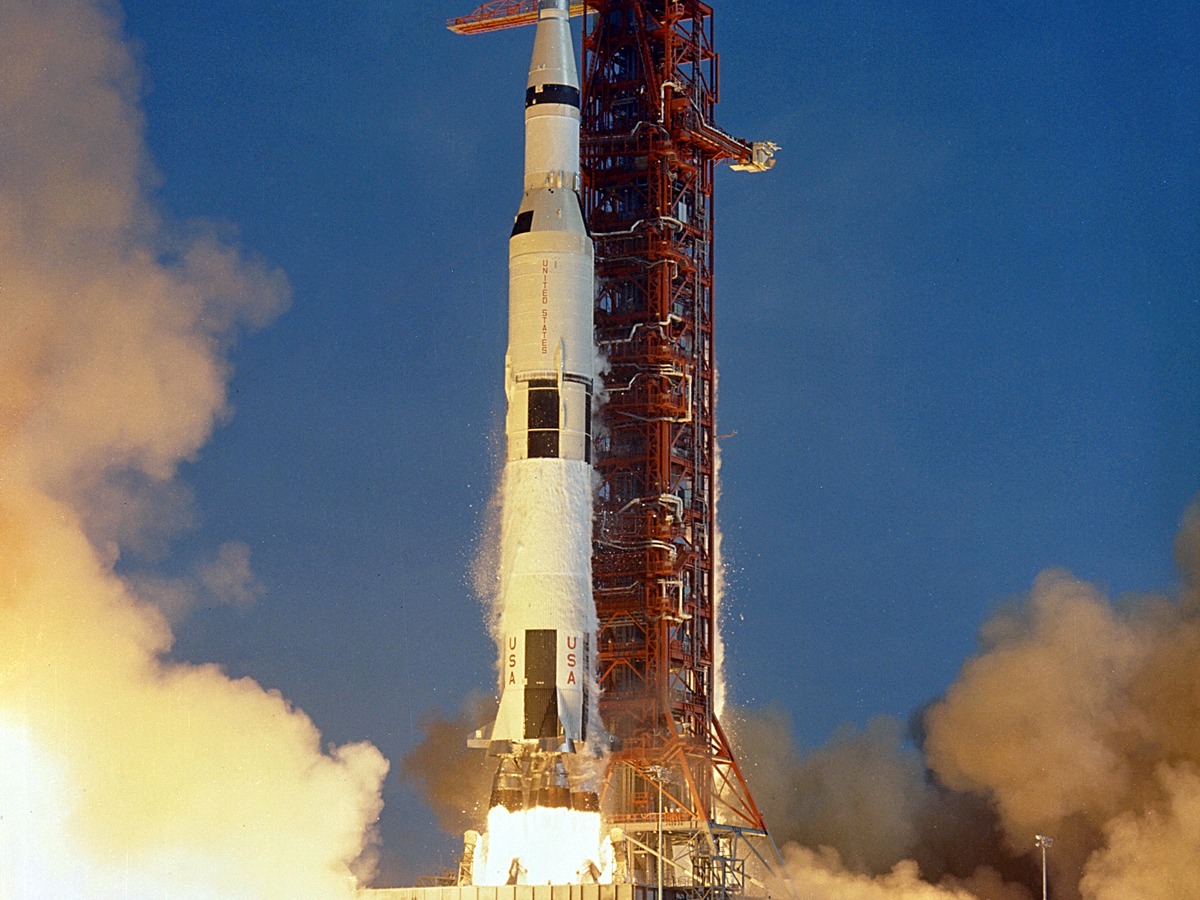
One hundred and eleven metres tall, burning fifteen tonnes of fuel every second. Nothing louder has ever been built on purpose.
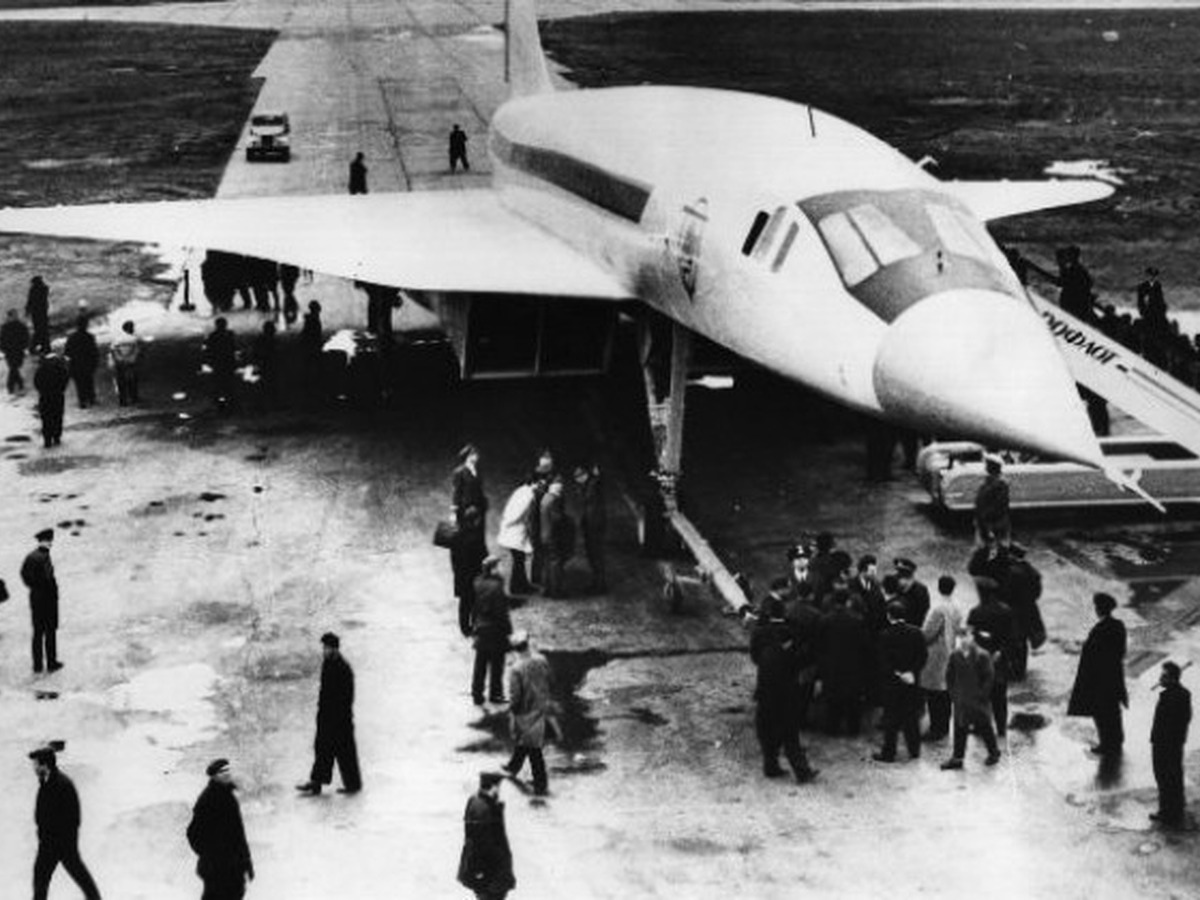
Supersonic two months before Concorde, with retractable canards behind the cockpit that no western airliner ever had.
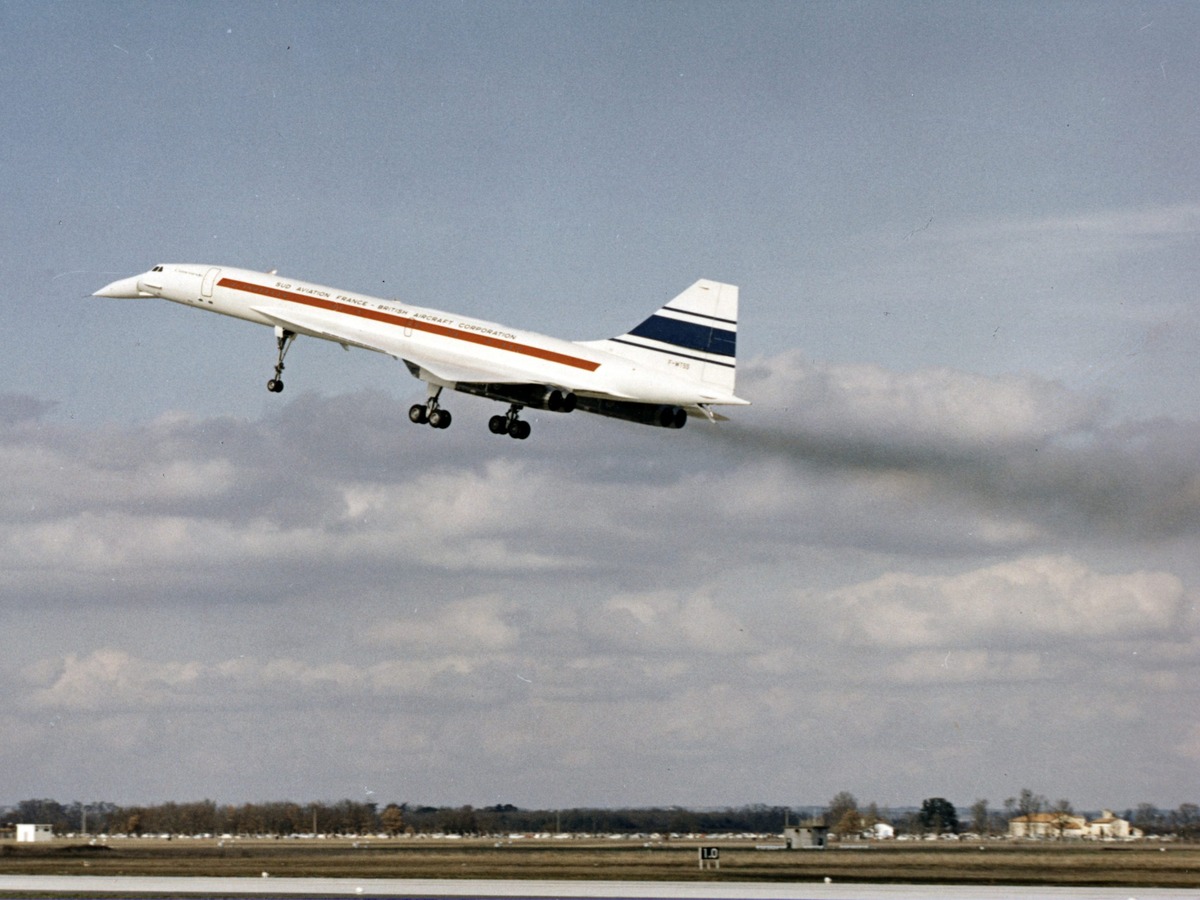
Paris to New York in three and a half hours, at the edge of space, with the sky going dark blue above the windows.
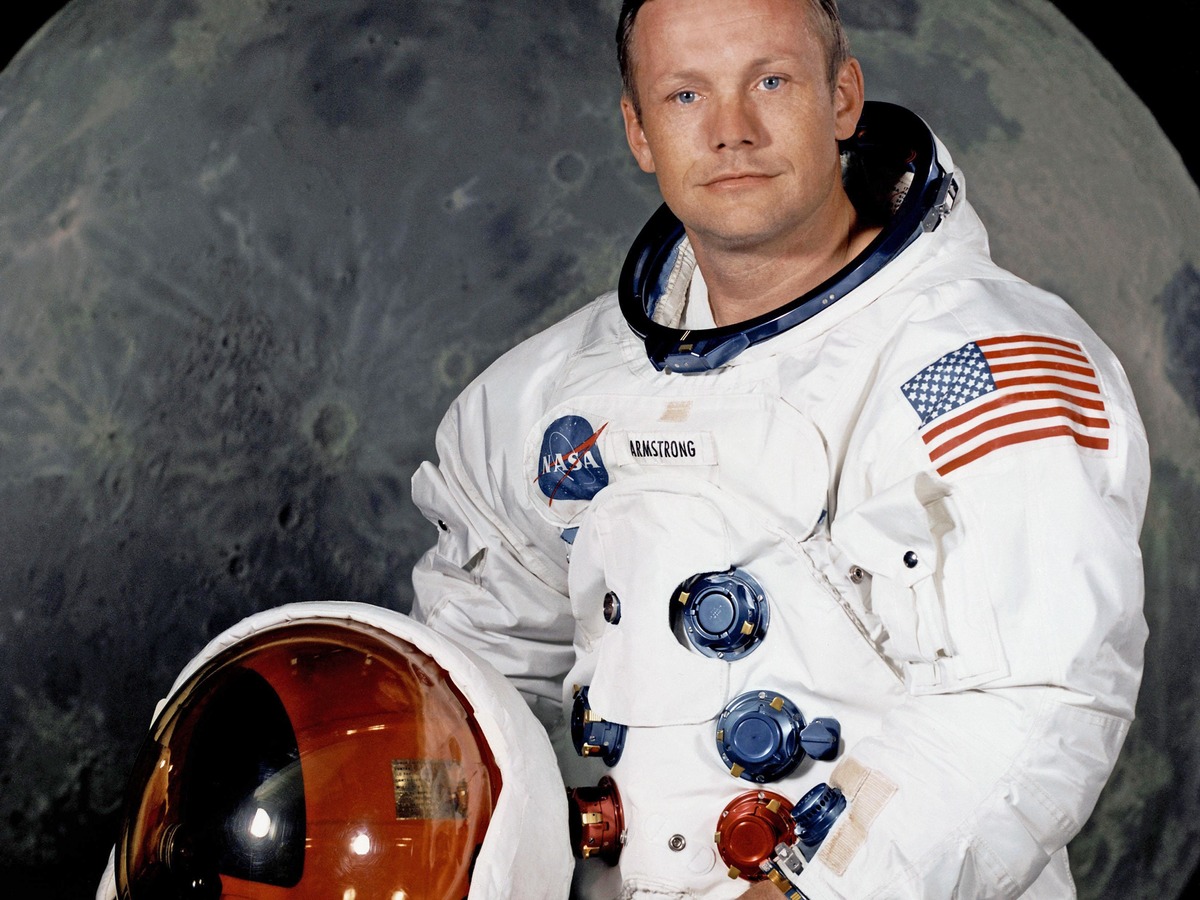
A test pilot first and last. He took manual control, flew past a boulder field, and landed with less than a minute of fuel left.
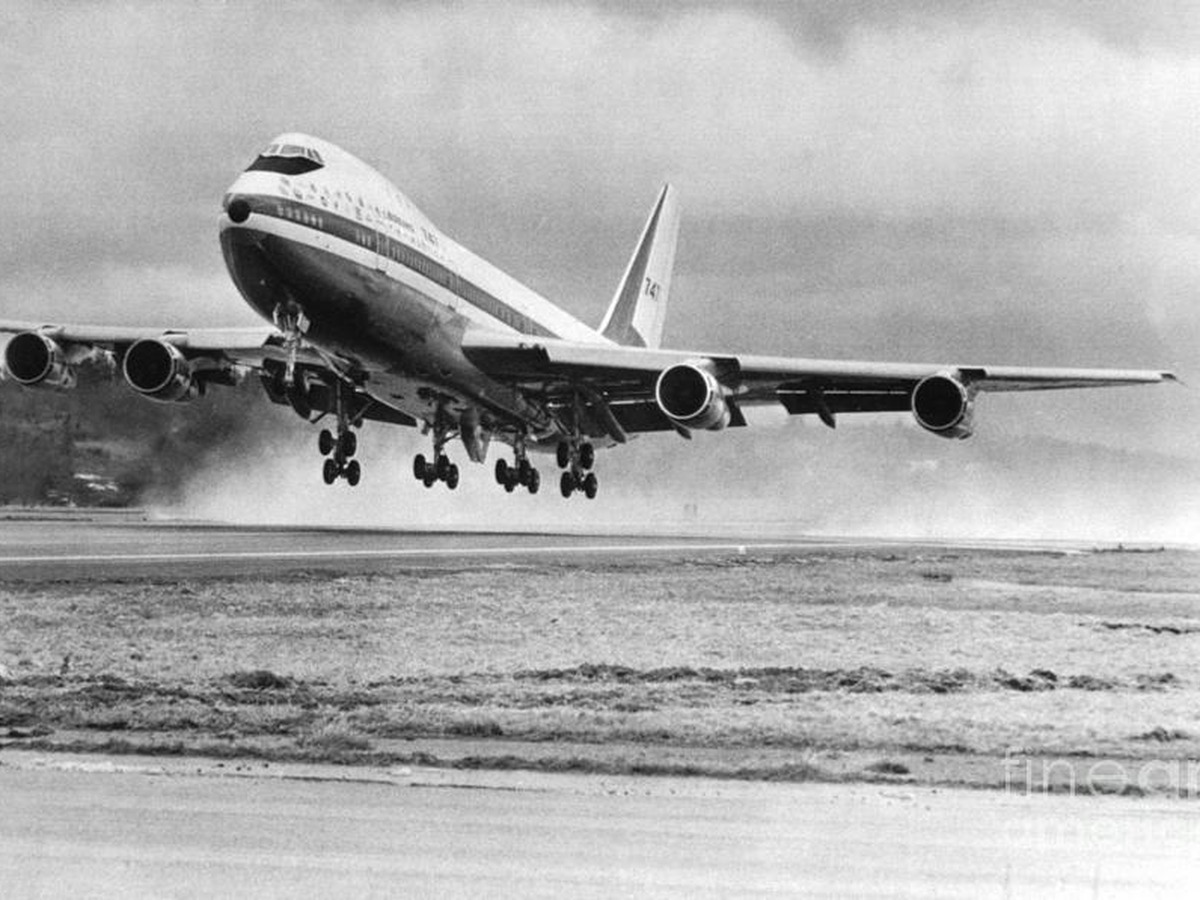
The hump exists because the designers assumed supersonic jets would win and this one would end up hauling freight.
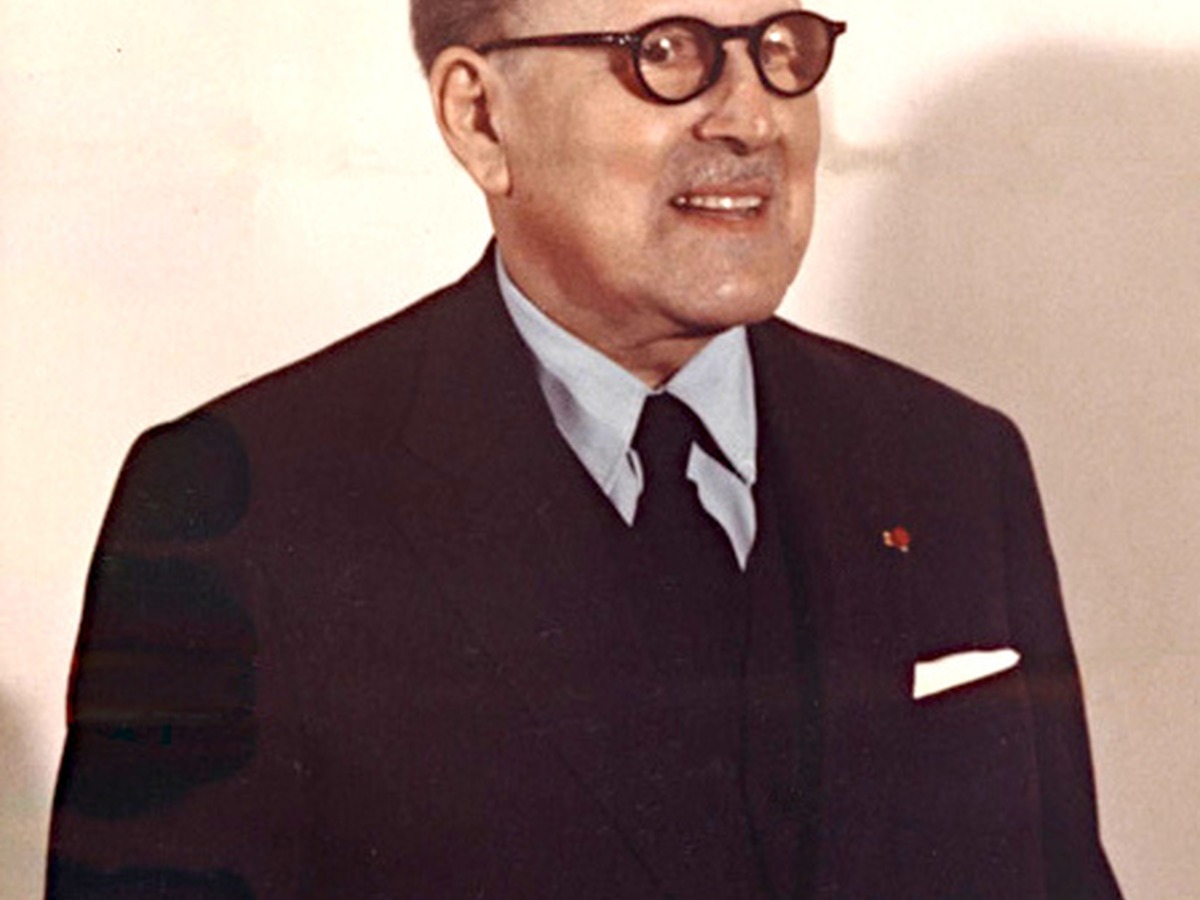
He drew aircraft for sixty years, from wooden propellers to the delta wing. The Mirage and the Rafale both descend from his pencil.
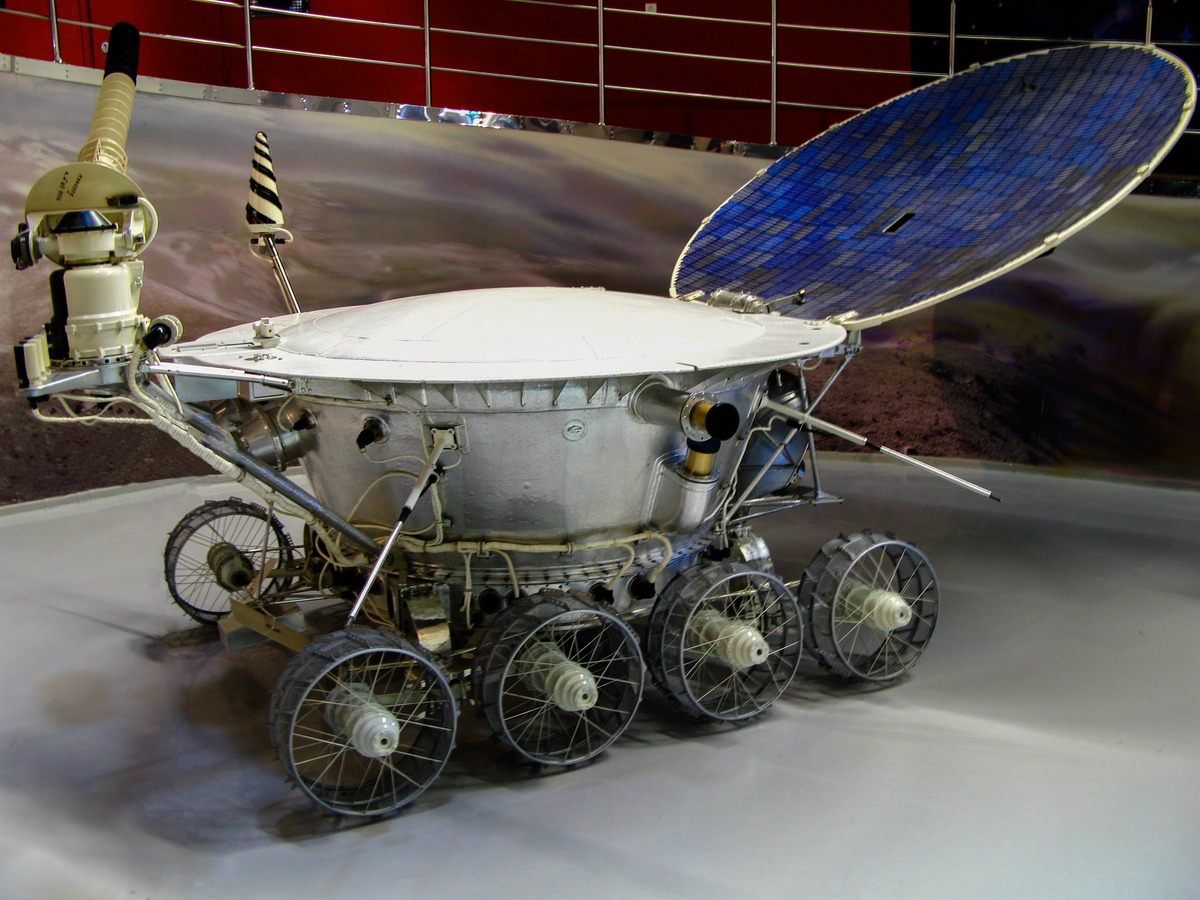
The first rover on another world, driven from Earth by five people sitting in a room in Crimea.
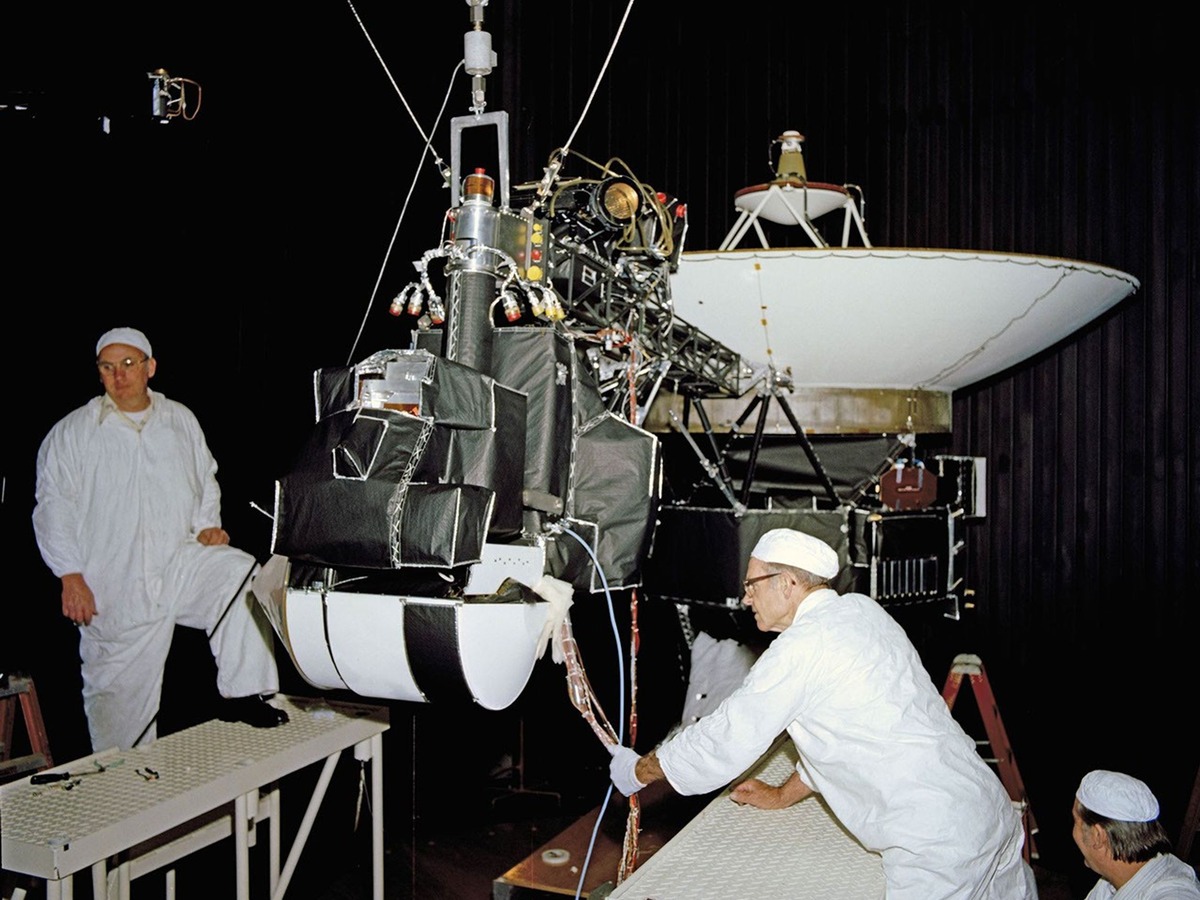
Launched before most people reading this were born, it left the solar system and still calls home once a day.
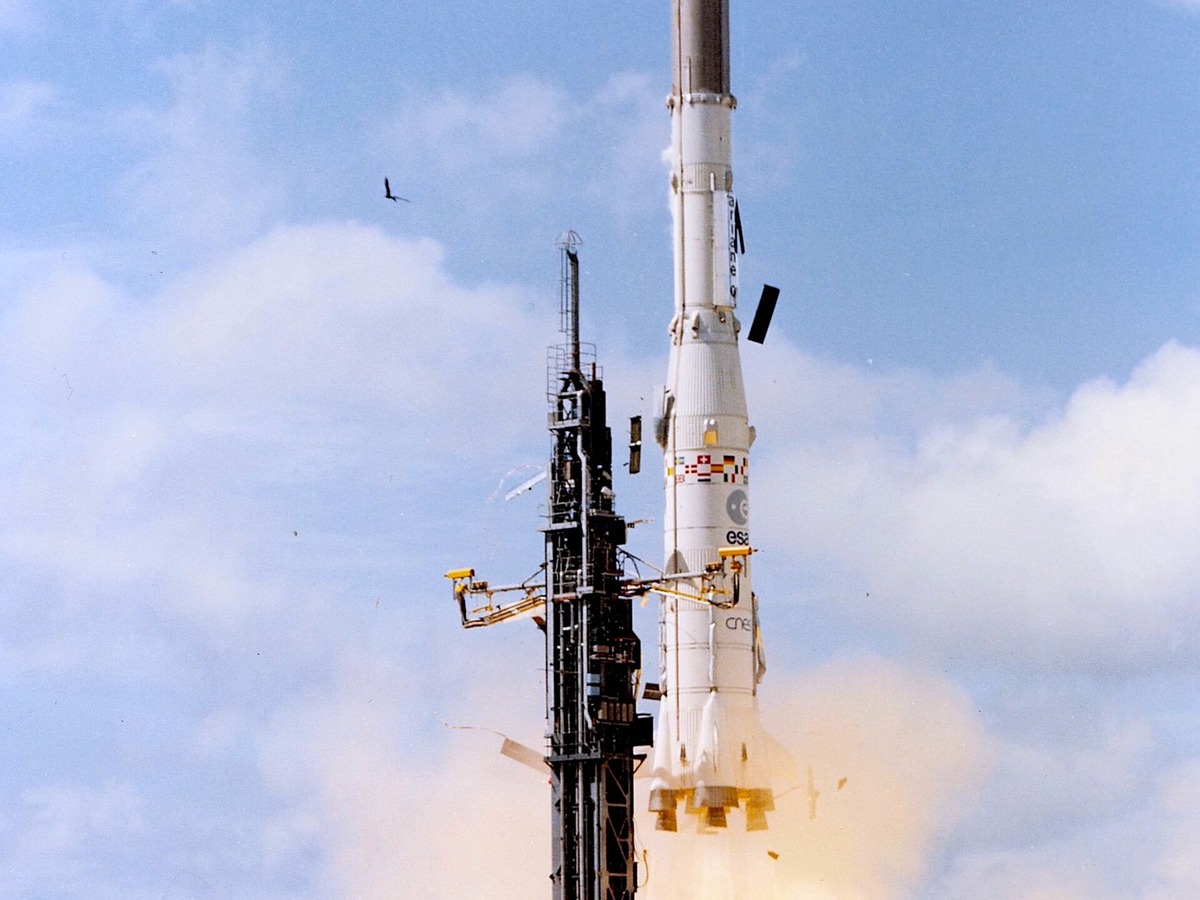
Europe decides it will no longer ask anyone's permission to reach orbit.
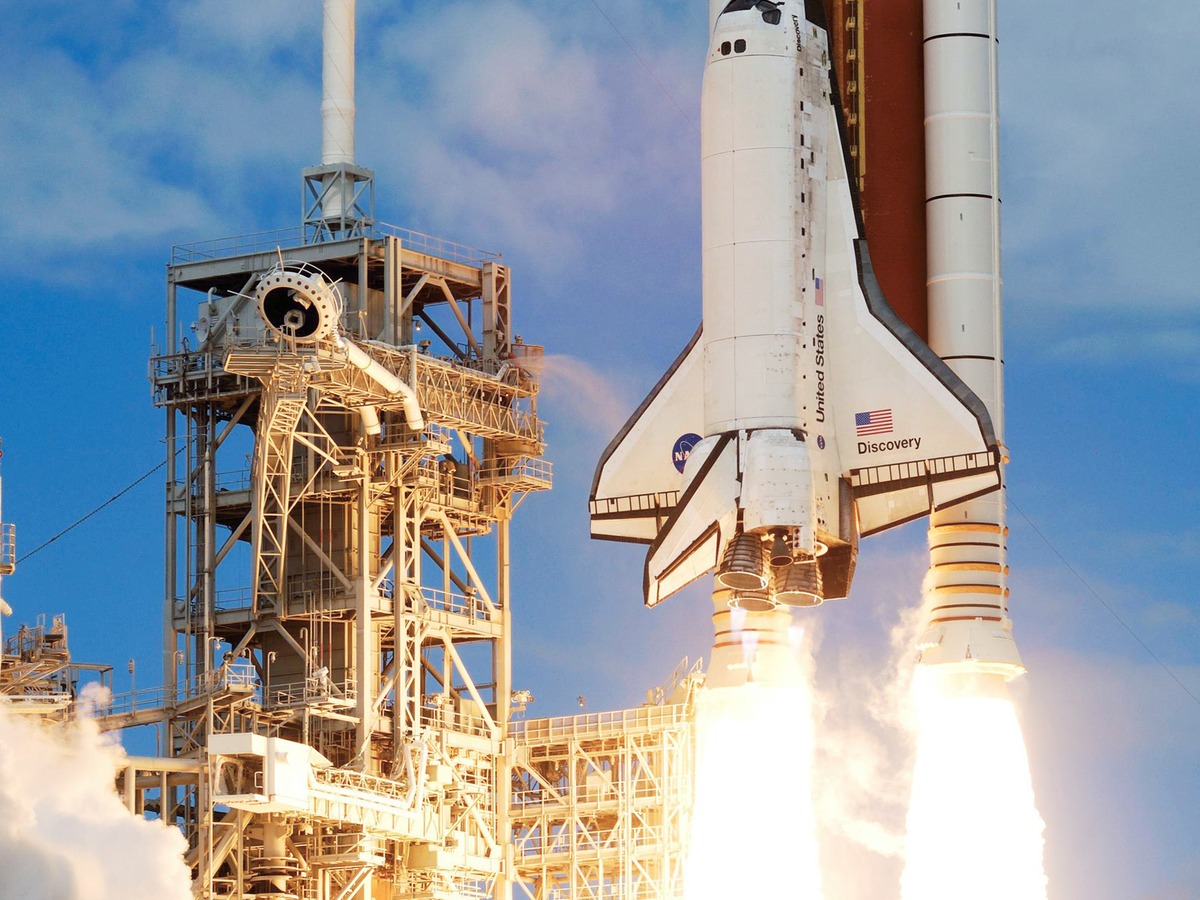
Launch like a rocket, come home like a glider — with no engines and exactly one chance at the runway.
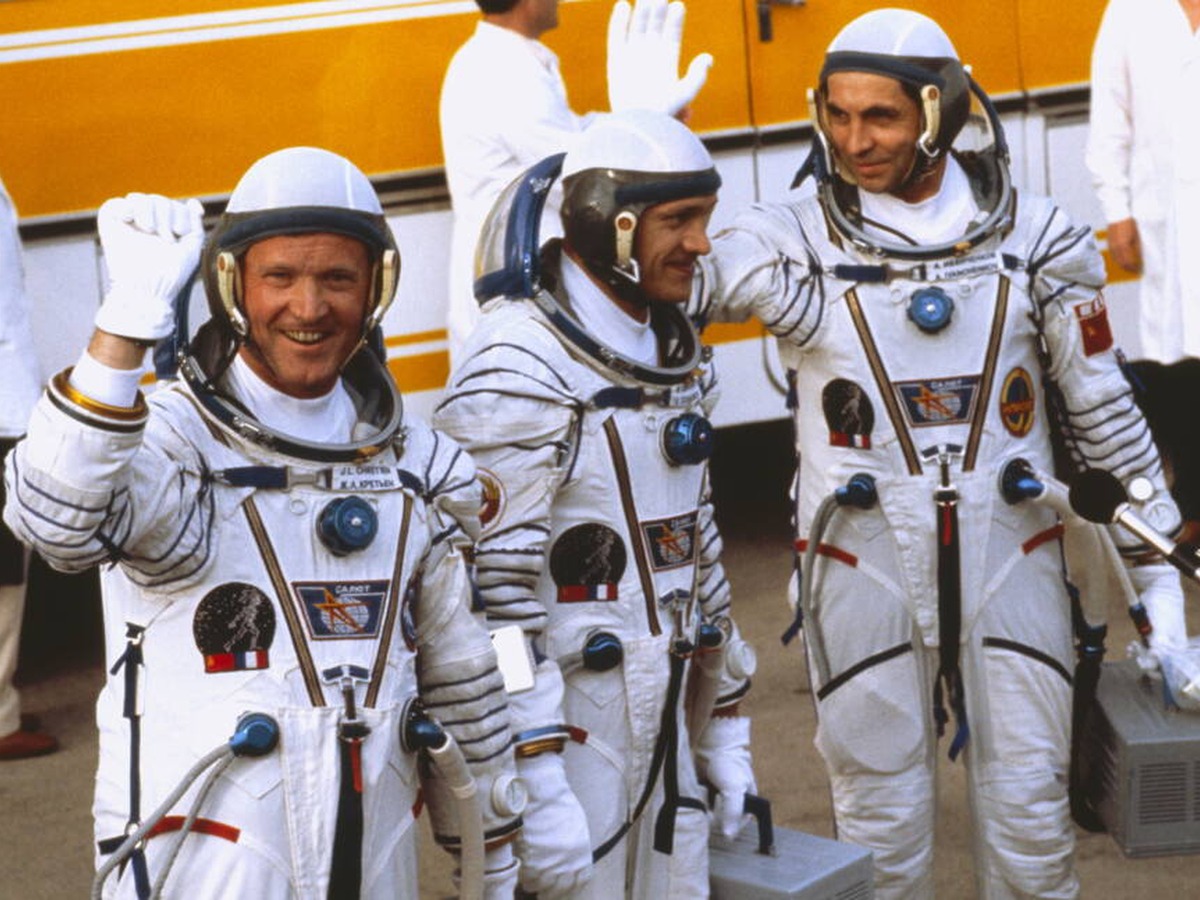
The first western European in space — and he got there on a Soviet rocket, in the middle of the Cold War.
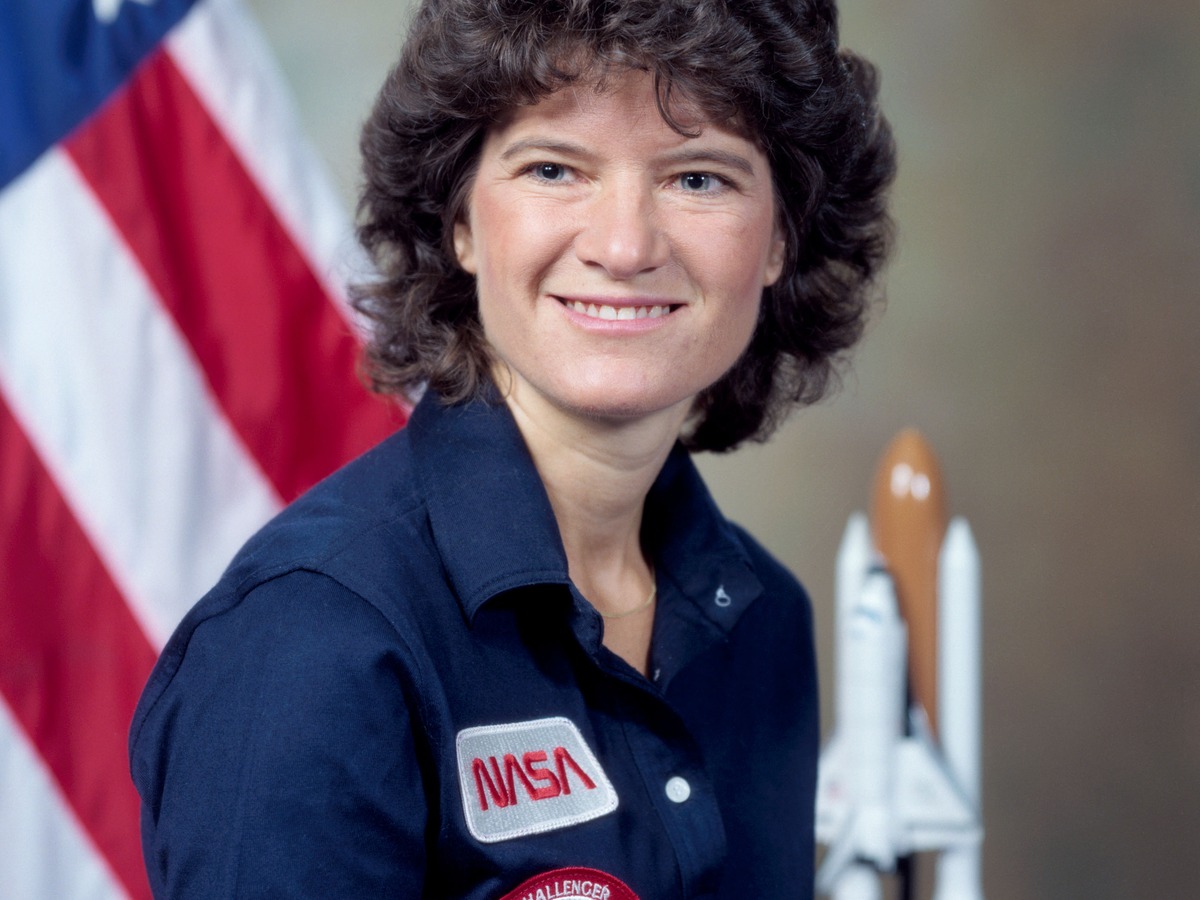
A physicist who answered questions about make-up on her way to becoming the first American woman in orbit, then spent her life teaching girls science.
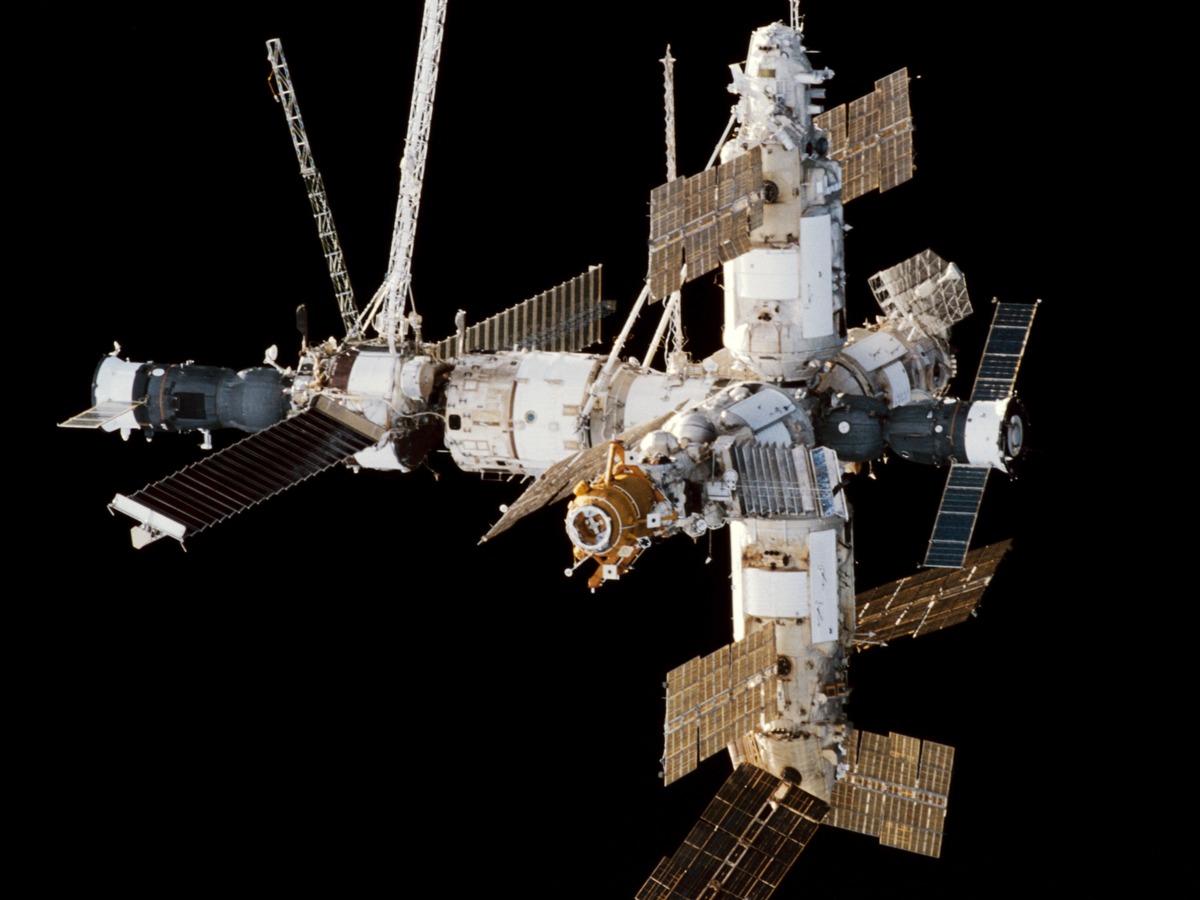
A house in orbit, assembled module by module and lived in for ten unbroken years. Its name means both peace and world.
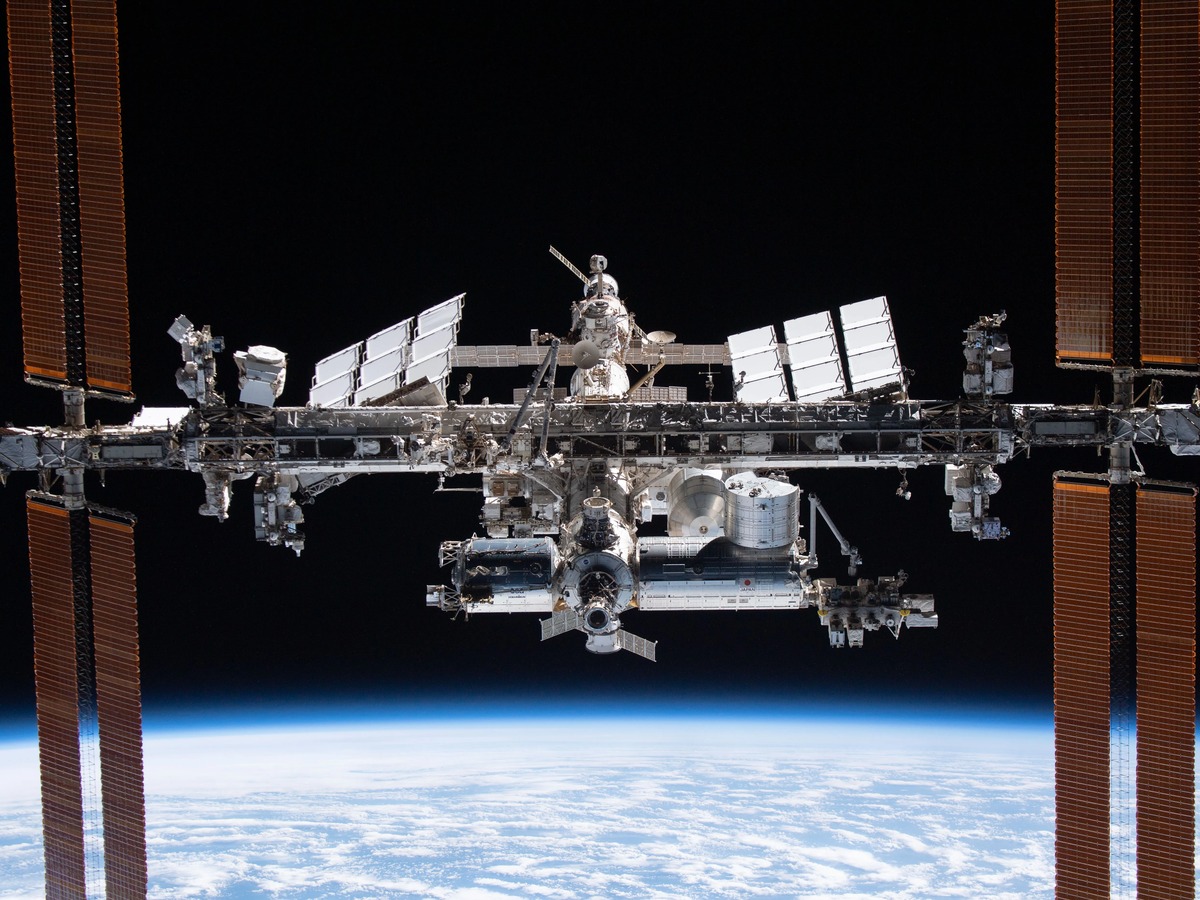
Fifteen countries, two former rivals, and a permanently inhabited house that has passed over your head roughly sixteen times a day since 2000.
Eight hundred and fifty-three people in the sky at the same time, in a machine with a staircase.
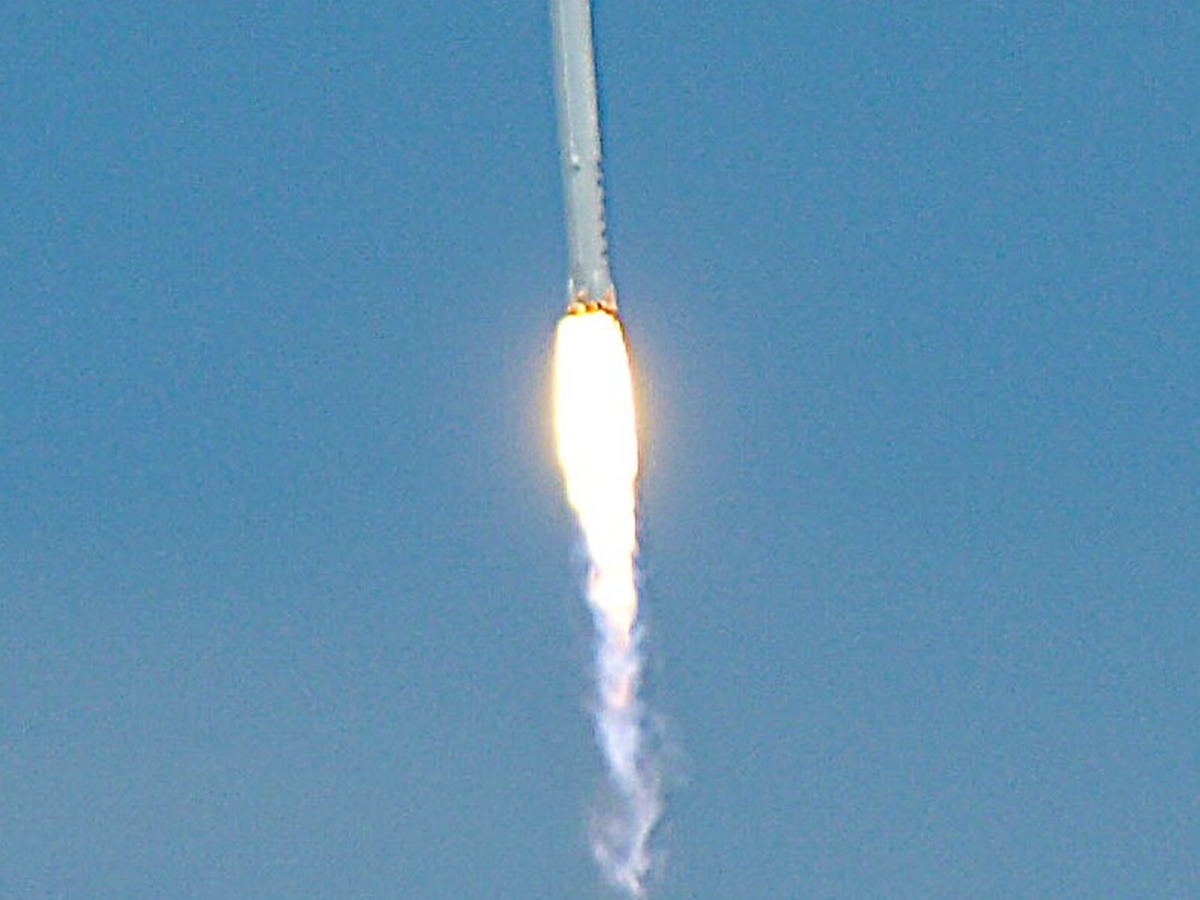
In 2015 a rocket stage came back and landed upright. Everyone had agreed for fifty years that this was not worth trying.
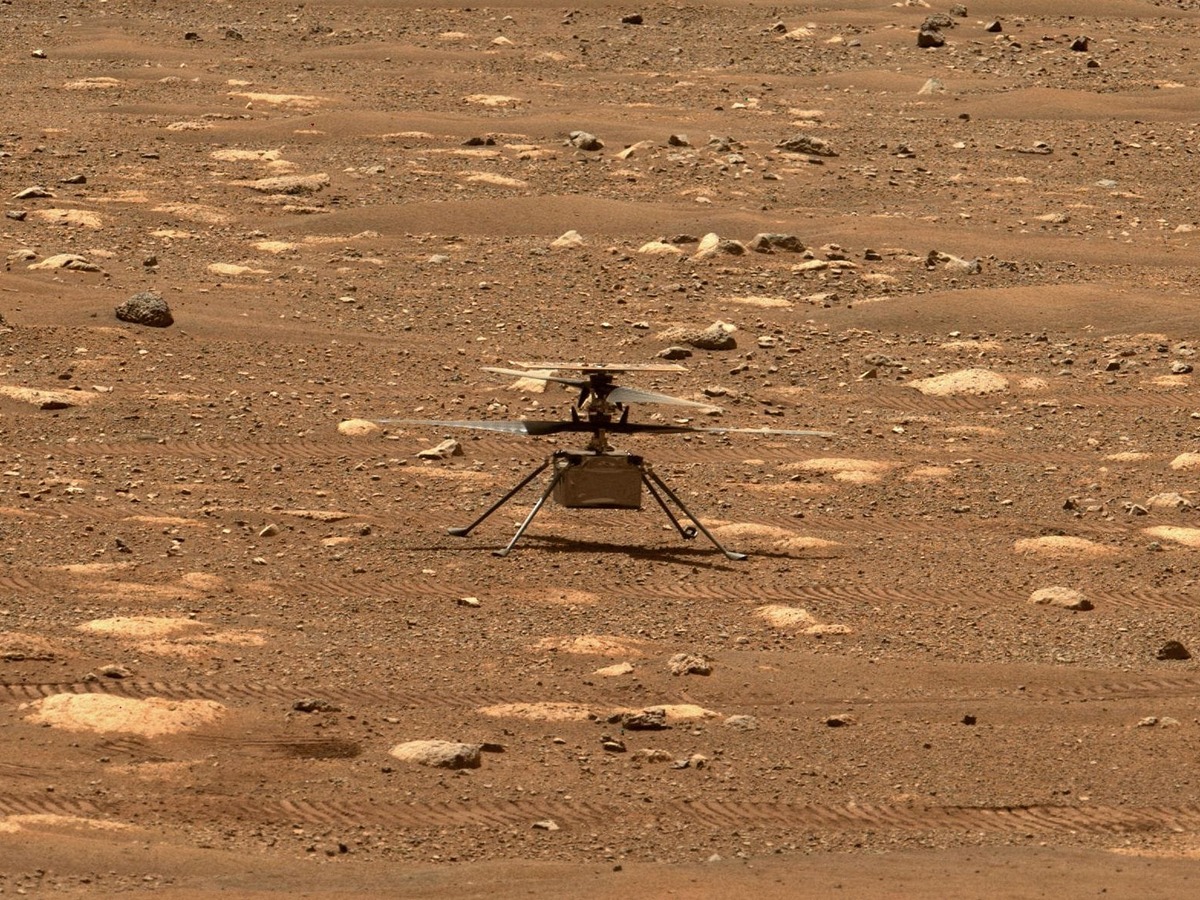
A 1.8-kilo helicopter that flew on Mars, where the air is a hundred times thinner. It was meant to make five flights. It made seventy-two.